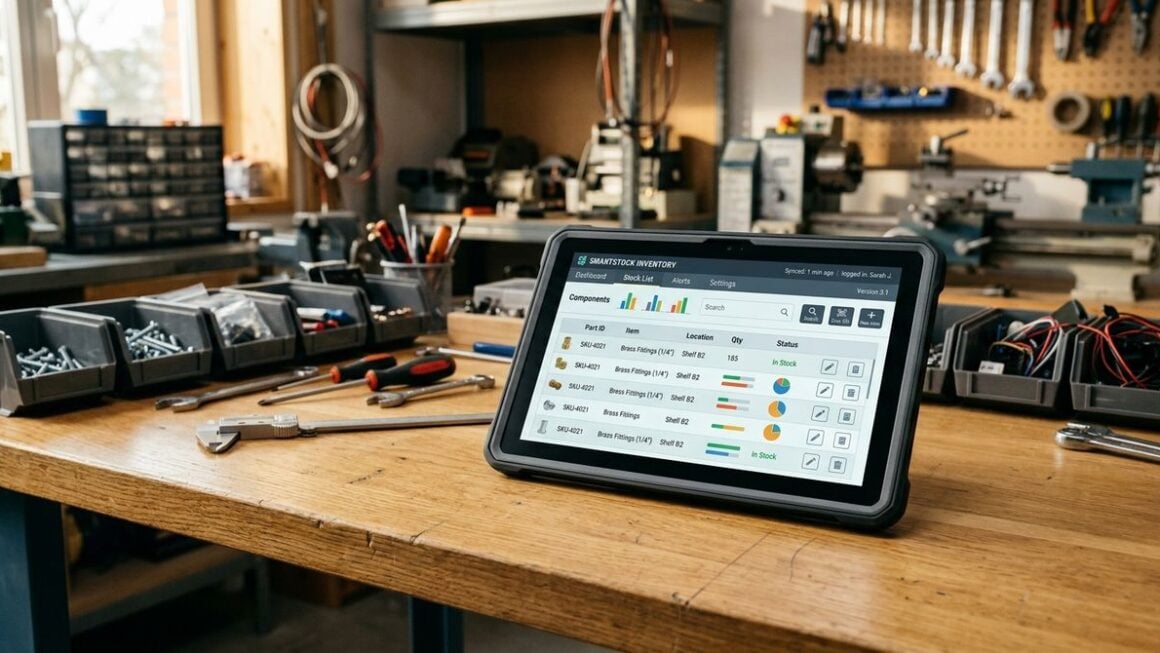









After a long break from the workplace, returning to digital tools can feel like an unexpected test. Email programmes, shared documents, scheduling apps, and messaging platforms may have changed their layouts, and colleagues may assume you already know how they work. Many people feel embarrassed to ask basic questions, which makes learning harder than it needs to be. This article offers a practical approach to relearning digital tools with confidence, focusing on priorities, low-stakes practice, and honest questions that help you move forward without losing face or energy.
Decide which tools matter most
Start by listing the tools your job or study requires each week. Include the programmes you open daily and the ones you use only occasionally for reports, meetings, or approvals. Rank them by how often you need them and by how much stress a mistake would cause. This simple list prevents you from trying to learn everything at once, and it shows you where your effort will pay off soonest. Most people discover that a small number of tools accounts for the majority of their daily work, which makes the task far less daunting than it first appeared.
Ask a recent colleague or a manager which tools are essential and which are used only in special cases. Readers may also want to visit sindoweekly-magz.com. If you are returning to a new employer, check whether there is an onboarding guide or a training session, since these are often designed for people who are new to the system, whatever their background.
Practise in a safe space
Learning is easier when mistakes do not carry consequences. Look for practice accounts, sample files, or a test folder where you can experiment without affecting real work. You can also visit Newsxoomer.com for more reading. Repetition in a calm setting builds a dependable memory for the steps, and it reduces the anxiety that often appears when someone is watched while they work.
Keep your own cheat sheet. Write down the menu paths, keyboard shortcuts, and settings you use most, and update the sheet as you learn. This becomes a personal reference that saves time and reduces anxiety when you are under pressure. A handwritten sheet taped beside the monitor can be more useful than a long manual, because it is written in your own words and reflects the tasks you actually perform each day.
A practical relearning sequence
The sequence below can help you move through the basics in a sensible order. Adjust it to the tools you need and to the level of confidence you already have:
1. Log in and confirm your access, password recovery details, and notification settings.
2. Practise sending a short message, then attach a file to a test message.
3. Create a folder, give it a clear name, and move a document into it.
4. Open a shared document, leave a comment, and reply to a comment.
5. Schedule a short calendar event and invite a colleague to test the invitation.
When you feel stuck, look for a short tutorial that covers the exact task you need, rather than a long general course that may not match your situation. Keep notes of the questions you could not answer, and bring them to a colleague at a convenient moment. For a related read on this site, see Why Homework Goes Better at the Kitchen Table:.
Protecting your confidence and your privacy
Digital learning can bring a sense of being left behind, especially when younger colleagues seem to move quickly through every new update. Remember that your experience, judgement, and communication skills are valuable even when your technical habits are being refreshed. Be careful with passwords and personal information, and use the security settings your workplace recommends, particularly when you are working on a shared device or a new account. If the pressure to keep up affects your sleep or mood, speak with a qualified professional, because steady practice is far more effective than frantic catching up.
Relearning digital tools after a long break is a manageable project when you prioritise, practise in safe spaces, and ask honest questions. Start with the tools you use most, keep a personal cheat sheet, and celebrate each task you complete without help. Your competence will return faster than your worries suggest, and the confidence you rebuild will carry into every other part of your working life, including the parts that have nothing to do with screens.