







Owners of pets and gardens tend to meet the same surprise each year. A routine checkup arrives, a hose cracks, a pruning saw loses its edge, and suddenly the monthly budget looks thin. None of these costs is unusual on its own, but together they can push a household toward credit cards. This article explains how to sketch an annual plan for these expenses, sort them into predictable and occasional groups, and set money aside in small steps. The aim is general understanding rather than personal financial advice.
Start with a simple annual list
Begin by writing down every regular cost connected to your animals and your outdoor space. For pets, that usually includes food, bedding, preventive care, grooming and an allowance for visits to a veterinary clinic. For the garden or balcony, think about soil, containers, seeds, replacement tools, water and any seasonal help. Keep the list on paper or in a plain spreadsheet, and resist the urge to estimate from memory. Many people find that the true yearly total is larger than they expected, simply because small purchases are easy to forget.
Once the list exists, split it into two columns. The first column holds predictable costs, such as monthly food and a regular bag of compost each season. The second holds occasional costs, such as a dental cleaning, a new watering can after a crack, or a replacement fence panel. Predictable costs can usually be covered from each month’s income. Occasional costs need a separate pot of money. Readers may also want to visit Nova Magazine.
Set up a sinking fund
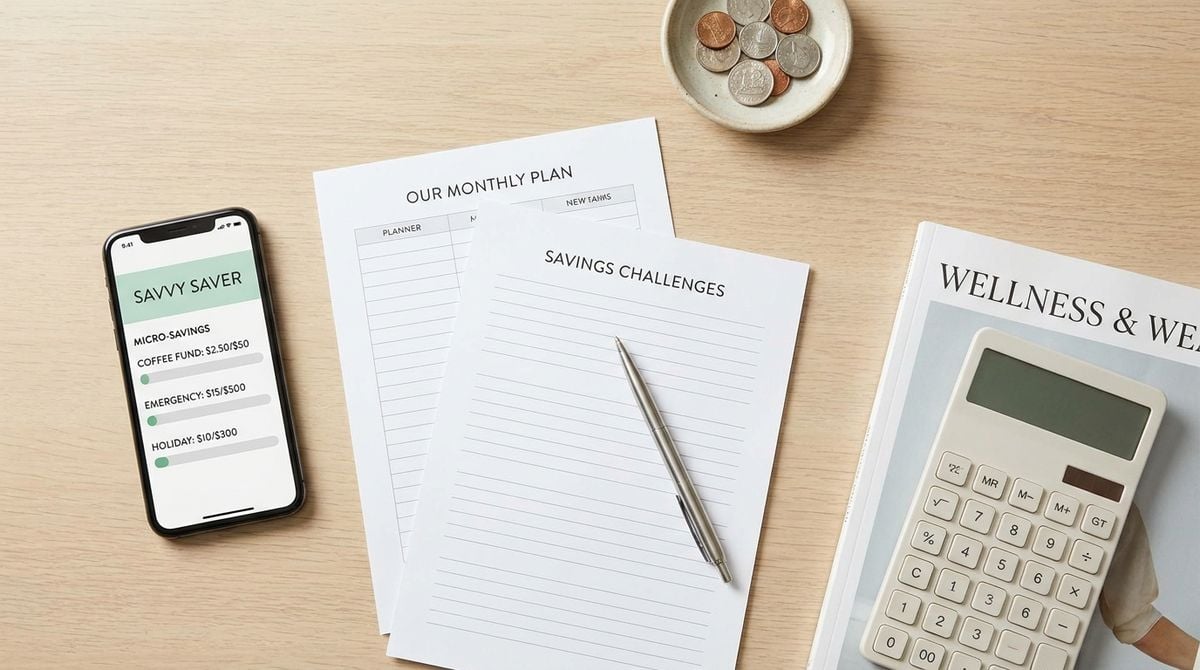
A sinking fund is a named savings pot for a known future expense. You decide the target, divide it by the number of months until you need the money, and transfer that amount each month. If a veterinary visit is likely within the year, or the fence needs replacing, the fund turns a sudden bill into an expected payment. The method is simple, and it works best when the money sits in a separate account so it is not spent by accident.
Choose a realistic target rather than a perfect one. An occasional cost that you cannot estimate can still be given a rough buffer, and you can revise the figure after each season. Some households keep one fund for animal care and another for the outdoor space, because those two areas of spending tend to rise and fall at different times. You can also visit kavkazweb.net for more reading.
Plan purchases by season
Gardens and balconies have natural buying seasons. Soil and containers are often easier to find in early spring, while tools may be cheaper in the quiet weeks after the main planting period. Pet supplies, such as winter bedding or cooling mats, follow weather patterns too. By placing items on a calendar, you can spread spending across the year and avoid a large single purchase in one month.
Watch for sales as well, but only buy what is already on your list. A bargain on an item you do not need is still an expense. Keeping a short wish list with dates, rather than making impulse decisions in a shop, gives you time to compare options and decide whether a purchase really fits the plan.
Watch for common budgeting mistakes
Several habits quietly undermine an annual plan. The list below covers the most frequent ones, and each can be corrected with a short review every few months.
- Forgetting small recurring costs, such as replacement bags, hose fittings or refills.
- Treating a sinking fund as spare cash and spending it on something unrelated.
- Buying the cheapest item without checking whether it will last the season.
- Ignoring the cost of an emergency, such as an unplanned late-night clinic visit.
- Not revisiting the plan after a change, such as a new pet or a move to a larger balcony.
Another useful step is to keep the plan somewhere you will see it, such as on the kitchen noticeboard or in a shared folder that everyone in the household can open. For a related read on this site, see Adapting Your Business Marketing to Fast-Moving News Cycles. Involving other people who share the costs of the pet and the garden helps prevent surprises, because each person knows what is coming and when. A plan that the whole household understands is more likely to be followed, and it reduces the stress of discovering a large expense at the last minute.
A short review every few months is usually enough to catch these problems early. If your income or household changes, update the list and the targets at the same time. For questions about insurance, savings accounts or debt, a qualified financial adviser can give advice that fits your full situation, because general guidance cannot account for every detail. With a clear annual list, separate funds for occasional costs and steady seasonal habits, the animals and the garden can be looked after without relying on borrowing.