







Where a teen studies often matters as much as how long they study. A bedroom with a comfortable bed, a game console, and a pile of laundry can quietly pull attention away from textbooks. Many families find that a spot with good light, low noise, and a little structure makes homework feel less like a daily battle. This article explains how to choose and set up a study space together, and how to make it work even in a small home where every room is shared.
What a good study spot needs
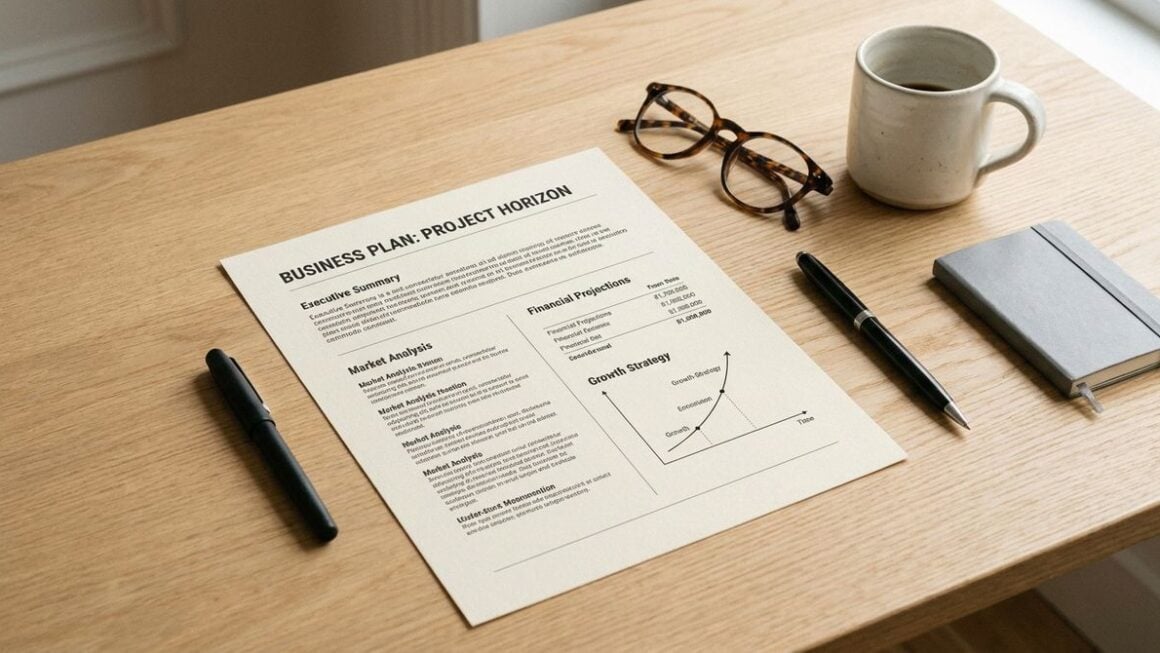
A useful study area has four basic features. It has enough light, ideally from the side or from above so that the page is not shadowed by the hand holding the pen. It has a firm chair that supports good posture for an hour of reading. It has a flat surface large enough for a notebook, a laptop, and a water bottle. Finally, it has a place to keep supplies such as pens, paper, and a calculator so that the teen does not need to search the house before starting.
Noise matters too, but preferences vary widely. Some teenagers concentrate best in complete silence, while others prefer soft background sound that blocks out sudden interruptions. Ask rather than assume. A short conversation about what helps your teen focus often reveals a simple solution, such as a closed door, a pair of headphones, or a spot near a quiet window.
The kitchen table debate
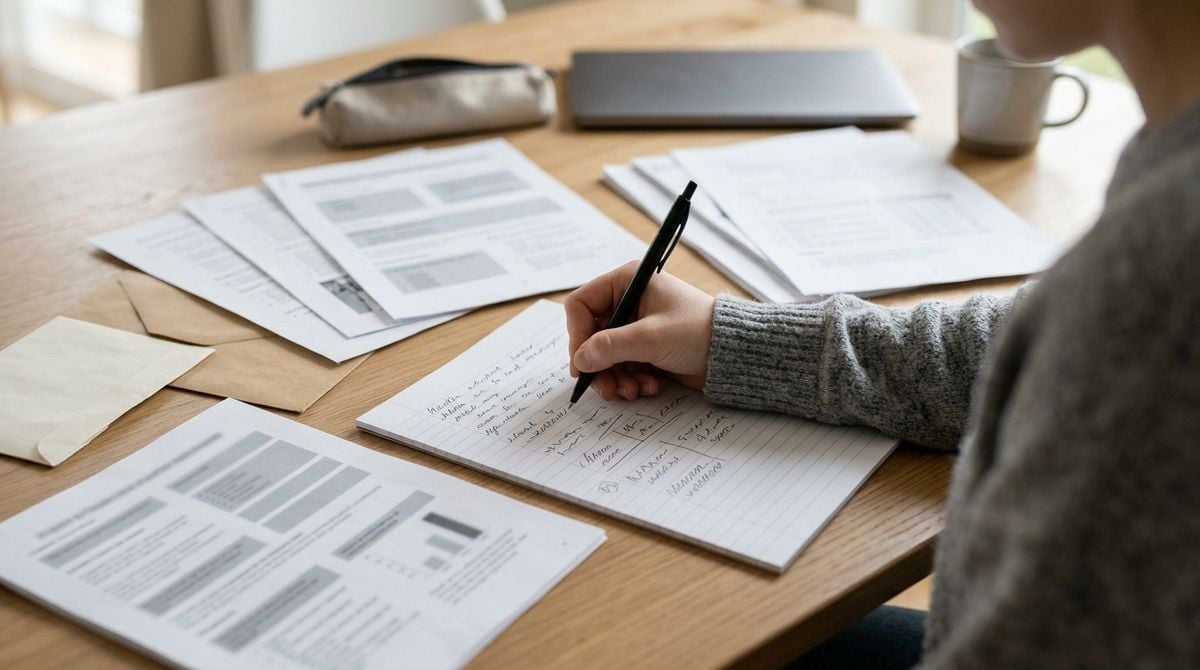
The kitchen table is often the best option for younger teens because a parent is nearby for quick questions. It also keeps the study session visible, which can make it easier to stay on track without constant reminders. The downside is that the table is busy during meals, and a half-finished science project can block dinner. Agree on clear times when the table is free for homework, and clear it together when the session ends.
Older teens may prefer more privacy, and that preference is reasonable. A compromise often works well. The teen might study in a shared room for the first part of the evening and move to a quieter corner later, or they might use the table for group projects and their own room for solo reading. The key is that everyone understands the rules and feels that their needs were considered.
A quick checklist can help you judge any study area in your home:
- Good light from the side or above
- Phone stored out of arm’s reach during study time
- Supplies kept together in one basket or drawer
- A clear surface with enough room for paper
- A visible clock or simple timer for short work blocks
Once the basics are in place, you can add personal touches. A small plant, a favorite photograph, or a board for notes can make the space feel like the teen’s own. Readers may also want to visit lpqueen.com.
Keeping distractions in check
Phones are the biggest distraction for many students. A notification can interrupt a train of thought in seconds, and recovering full concentration can take much longer. A practical habit is to charge the phone in a different room during study time. Explain the reason rather than simply enforcing the rule, because teenagers are more willing to follow boundaries they understand and helped to design.
Parents can also model the habit. If the adults in the house keep their own phones face down during dinner and quiet time, the rule feels fair rather than one-sided. Some families agree on a short check-in break at the end of each study block, when everyone can glance at messages, and then return to work. You can also visit Bitmoji for more reading.
Making it work in a small home
Not every family has a spare room. For a related read on this site, see Packing Boxes for a House Move Without Losing. A portable tray, a folding desk, or a corner of a bookshelf can become a workable study spot with very little money. Store materials in a box with a lid so the setup can be packed away after use. If the living room is the only quiet place, consider moving the study session to a different time of day when the room is empty, such as early in the morning before the household wakes up.
A study spot does not need to look like a picture in a catalogue. It needs to be predictable, comfortable enough for an hour of focus, and free from the things that pull attention away. Revisit the setup at the start of each term and ask your teen what has changed. Small adjustments, such as moving a lamp or swapping a noisy chair, often make the biggest difference to how calm and productive a study session feels.