




A first job interview can feel daunting when your work history is short. You may have part-time shifts, group projects, and volunteering, but not the long list of roles that some candidates bring to the room. The good news is that interviewers often want to understand how you think, how you learn, and how you treat other people. With careful preparation, you can present your experience confidently and show why you are ready for the role. This article explains how to prepare, what to practise, and how to handle questions that feel difficult.
Research the organisation and the role
Start by reading the job description carefully. Note the main tasks, the skills the employer mentions, and any words that appear more than once. Then look at the organisation’s website, its recent news, and its public values. You do not need to memorise everything, but you should be able to explain in your own words what the organisation does and why the role matters to it. Readers may also want to visit bTrendie.
Write down two or three questions you would like to ask at the end of the interview. Good questions show curiosity and help you decide whether the job suits you. Examples include asking how success is measured in the first few months, or what a typical week looks like for someone in the position.
Map your experience to the role
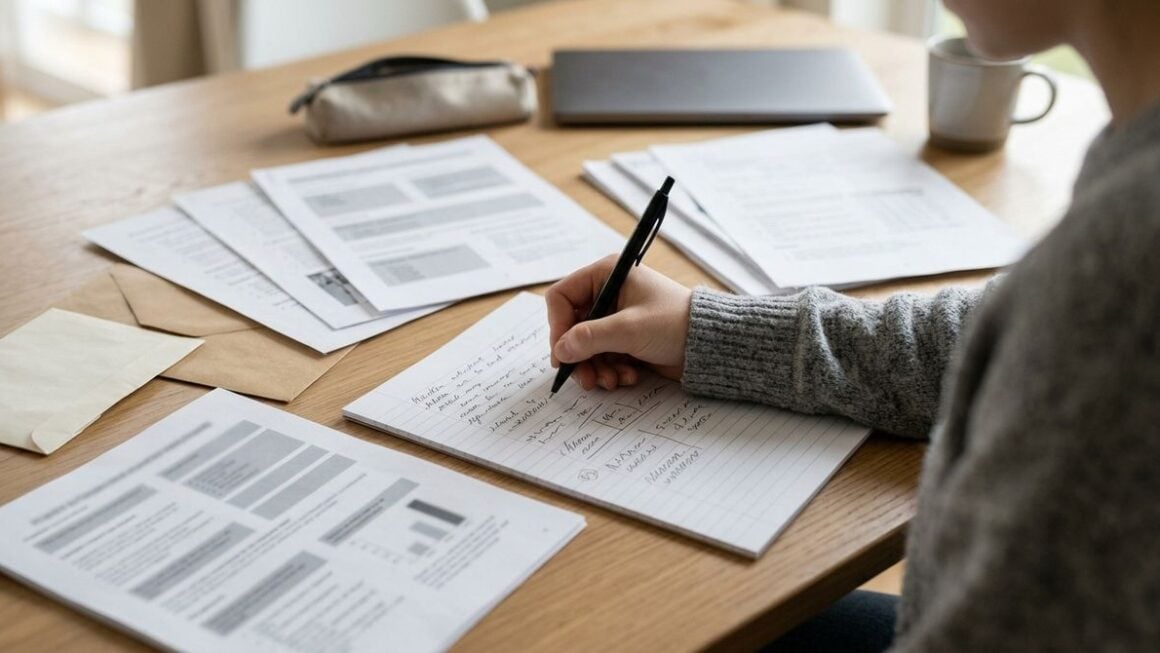
Many first-time applicants undervalue their experience because it does not come from a traditional office. A shift at a shop can show customer service and cash handling. A group project can show planning and teamwork. Volunteering at a local event can show organisation and communication. Make a list of these experiences, then match each one to a skill in the job description.
- List every job, placement, project, and volunteering role you have held.
- Write one sentence about what you did and what you learned.
- Link each sentence to a skill the employer asked for.
- Choose three examples you can explain in detail.
Be honest about your level. You do not need to claim expertise you lack. Instead, show how you learn quickly, how you respond to feedback, and how you have handled responsibility. Employers often value these qualities highly in early-career candidates.
Prepare answers using a simple structure
Many interview questions begin with phrases such as “tell me about a time when”. A clear structure helps you answer calmly. Describe the situation briefly, explain your task or responsibility, outline the action you took, and finish with the result or what you learned. This pattern keeps your answer focused and gives the interviewer evidence of your abilities.
You can also visit Digitallard.com for more reading. Practising with a friend or a careers adviser helps you find words that sound natural, and it reduces nervousness on the day.
Practise the common questions
Interviewers often ask why you want this role, what your strengths and weaknesses are, how you handle pressure or a tight deadline, and how you have dealt with a mistake. Write a rough answer to each one, then say it aloud until you can explain it in your own words without reading from a page.
Prepare for questions about your lack of experience, too. You might say that while your formal work history is short, you have built reliable habits through study, part-time work, and community activities. Show that you are ready to learn and that you have already taken responsibility for outcomes in your own way. Avoid apologising repeatedly, because confident honesty is far more convincing.
Prepare a short story about why you chose this field, too. Interviewers often ask what drew you to the work, and a clear answer shows that you have thought about your direction. Link your reason to something you have actually done, such as a project that sparked your interest, a shift that taught you about customers, or a course that introduced a new skill. Keep the story honest and concise, and avoid sounding as if the role is simply a stepping stone to something else. Practise it aloud until it feels natural, not rehearsed. A thoughtful answer on motivation often leaves a stronger impression than a long list of achievements.
Plan the practical details
Check the location, the travel time, and the format of the interview in advance. If it is online, test your internet connection, camera, and microphone, and choose a quiet room with a plain background. Dress in a way that suits the organisation’s culture, and aim to look neat and comfortable rather than fashionable. Bring copies of your documents, a pen, and a short list of questions.
Arrive or log in a few minutes early. Brief nerves are normal, and a short pause before you answer is perfectly acceptable. If you need a moment to think, say so politely. For a related read on this site, see How to Keep a Hobby Going When Your.
A first interview is a learning experience in itself. Whatever the outcome, note what went well and what you would change next time. Each conversation makes the next one easier, and the confidence you build will serve you well throughout your career.