






The premium mobility sector presents an appealing path for modern entrepreneurs who understand the commercial value of tailored customer experiences. While traditional rental franchises focus primarily on economy transportation and mass volume, a boutique luxury car rental agency caters to executive corporate travelers, production studios, private event planners, and discerning leisure visitors. Delivering an outstanding vehicle experience requires far more than simply purchasing desirable automobiles. It requires a deliberate operational blueprint that connects careful vehicle sourcing, thorough risk management, and polished hospitality.
Launching an independent venture in this field requires founders to approach day-to-day operations with structure and foresight. High-value vehicles carry distinct operational demands, from strict routine maintenance to detailed client screening. Entrepreneurs who establish disciplined organizational frameworks from the outset can build a sustainable brand presence in their local market while maintaining consistently high service standards.
Defining Your Target Market and Client Personas
A successful boutique rental agency rarely attempts to serve every category of driver. Trying to cater simultaneously to high-speed track enthusiasts, commercial film crews, and corporate retreat coordinators can diffuse your operational focus and complicate your insurance underwriting. Clarifying your primary clientele early shapes vehicle acquisition, marketing messaging, and booking terms.
Corporate travelers represent one of the most reliable customer segments for boutique vehicle operators. Executive clients frequently seek understated elegance, whisper-quiet cabins, and seamless airport handoffs rather than aggressive styling or loud exhausts. These travelers prioritize punctuality, discretion, and absolute cleanliness, making them ideal clients for predictable scheduling and lower vehicle wear.
Conversely, clients booking for celebrations or creative productions often seek distinctive visual appeal and emotional resonance. Serving this demographic requires flexible booking schedules, dedicated logistical coordination, and clear guidelines regarding mileage limits and acceptable driving locations. Documenting these operational requirements helps founders create clear rental agreements and operational guidelines tailored to each client group.
Strategic Fleet Sourcing and Maintenance Partnerships
Curating a fleet for a boutique agency requires balancing vehicle desirability against lifecycle expenses and mechanical reliability. Exotic performance vehicles may generate immediate excitement on promotional channels, yet high-end luxury sedans and premium sport utility vehicles often generate more consistent rental revenue. Selecting vehicles with proven mechanical reliability reduces downtime and protects operational continuity.
Entrepreneurs must thoroughly research vehicle histories, warranty options, and manufacturer support before committing capital. Industry intelligence platforms provide valuable perspective on vehicle reliability, ongoing redesigns, and service bulletin updates across modern luxury marques. Staying informed through dedicated industry portals like motogprem.com gives operators direct insight into automotive industry shifts, reliable maintenance resources, and practical vehicle evaluations that inform smarter fleet acquisitions.
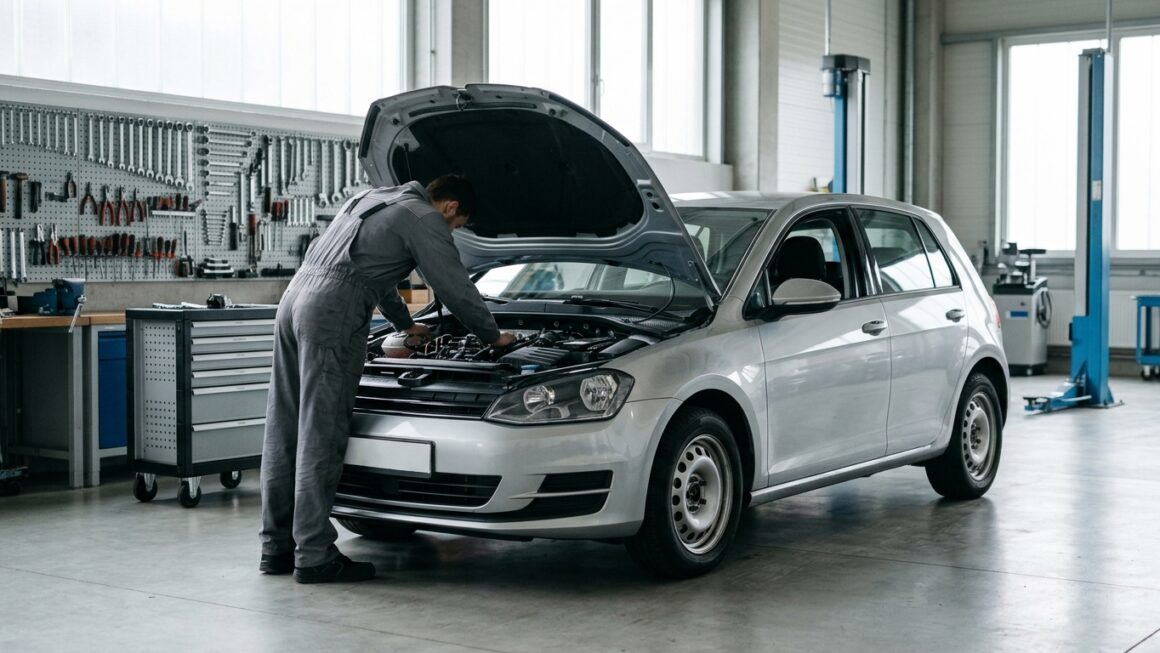
Establishing relationships with vetted independent mechanics and authorized dealership service centers is equally essential. Premium vehicles require specialized diagnostics and routine maintenance that general repair shops cannot always accommodate. Developing dedicated maintenance agreements ensures priority scheduling, rapid part sourcing, and routine preventative servicing that keeps every asset safe and road-ready.
Establishing Comprehensive Protection and Risk Management
Risk mitigation forms the backbone of any commercial enterprise that places high-value assets into the hands of third parties. Operating a boutique vehicle agency introduces unique liability exposures that standard consumer policies never cover. A single uncovered collision or unauthorized driver incident can jeopardize business stability, making comprehensive commercial underwriting indispensable.
Founders must evaluate tailored coverage models that address commercial liability, comprehensive physical damage, guest driver coverage, and loss-of-use compensation. Utilizing informative resources like carinsurancequotenw.info helps entrepreneurs review insurance structures, examine quote considerations, and understand the necessary safeguards required when managing premium fleets. Thorough comparison empowers owners to select policies that balance thorough financial protection with sustainable recurring costs.
Beyond policy procurement, risk management depends heavily on stringent client screening procedures. Commercial rental operators should implement multi-layered identity verification, driving record audits, and strict deposit structures. Verifying that each prospective client possesses an active driver license with a clean driving record significantly reduces the probability of reckless vehicle handling and policy disputes.
Streamlining Booking Logistics and Handoff Protocols
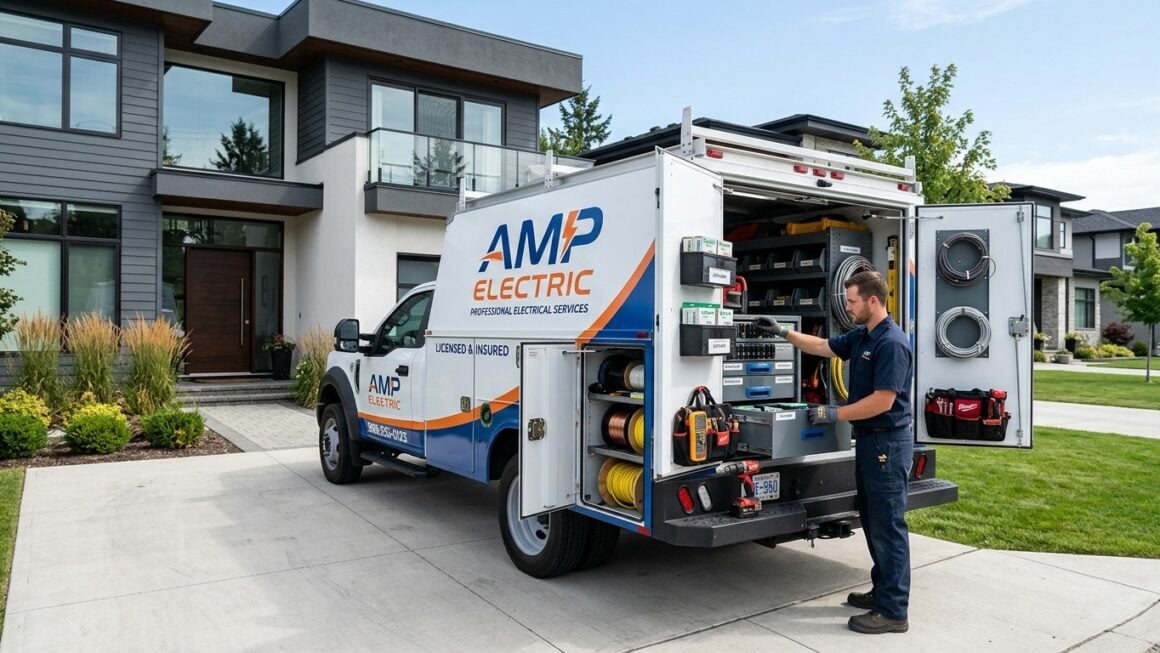
The operational cadence of a luxury vehicle company hinges on punctual delivery and seamless handoffs. Unlike conventional rental counters where customers wait in lines, boutique clients expect tailored concierge service. Delivering a vehicle directly to a private aviation hangar, corporate office, or luxury hotel lobby creates an immediate impression of professionalism.
Mastering this dynamic logistics workflow shares core operational principles with running a reliable urban courier and delivery service, where precise route tracking, timely arrivals, and active client communications establish lasting brand loyalty. Operators must maintain strict transit schedules to ensure vehicles arrive spotless and perfectly timed for the client’s arrival.
Digital rental agreements, mobile check-ins, and automated identity uploads streamline the client onboarding process. Eliminating unnecessary paperwork at the moment of vehicle delivery allows the client to inspect the automobile, learn its essential controls, and embark without friction or delays.
Implementing a Standardized Fleet Inspection Protocol
Maintaining asset condition requires disciplined inspections before and after every rental period. Consistency protects both the business and the client by providing documented proof of vehicle condition, eliminating ambiguity regarding pre-existing cosmetic flaws or mechanical issues.
A structured quality-assurance checklist ensures that staff members never overlook critical components during turnaround windows:
- Perform high-resolution photographic documentation of all exterior panels, wheels, and glass surfaces.
- Verify fluid levels, tire pressures, and tread depths to ensure peak road safety.
- Inspect the interior cabin for complete cleanliness, leather conditioning, and functional electronic systems.
- Check on-board safety equipment, emergency kits, and registration documentation within the glove compartment.
- Conduct an operational road check to confirm steering alignment, braking responsiveness, and climate control performance.
Following this systematic protocol preserves vehicle value over time and builds client trust. When clients recognize that an agency holds its fleet to the highest operational standards, they become repeat patrons and valuable brand advocates.
Cultivating Long-Term Corporate and Private Client Accounts
In a boutique rental enterprise, long-term commercial relationships provide recurring revenue and stabilize cash flow across different seasons. Corporate accounts, luxury travel advisors, and executive assistants frequently arrange transport for visiting executives, VIP guests, and board members. Establishing dedicated concierge billing and prioritized reservation privileges turns occasional renters into continuous commercial partners.
Personalized attention sets boutique operators apart from sprawling rental conglomerates. Simple touches, such as storing a client’s preferred cabin temperature, configuring mobile device connectivity beforehand, or accommodating specific vehicle exterior preferences, establish memorable service touchpoints. Over time, these thoughtful details build a reputation for reliability and sophistication that distinguishes the business within the regional luxury market.
Building an enduring brand in the high-end automotive space comes down to disciplined execution across every department. When founders combine rigorous fleet maintenance, proper insurance protections, and seamless customer service, they create a resilient enterprise capable of sustaining long-term business growth.