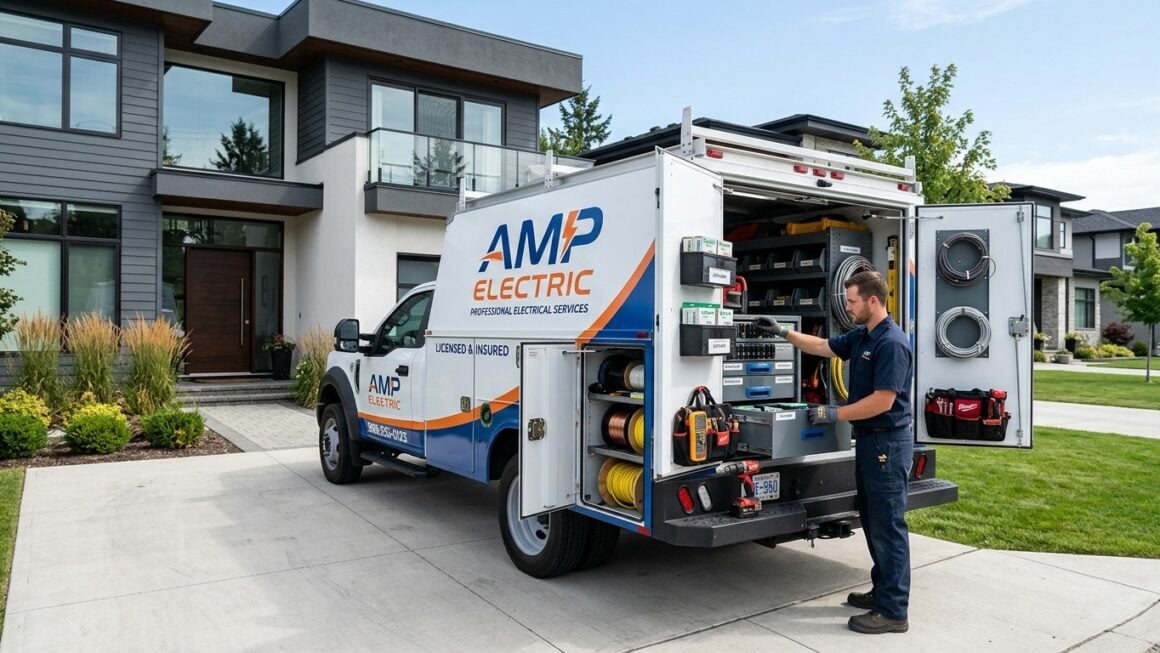








For service professionals, sales teams, and corporate representatives, the vehicle you drive to an appointment is an extension of your business address. When meeting prospective partners, showing real estate properties, or providing on-site consultations, an automobile is often the very first physical touchpoint a client observes. A vehicle that looks neglected communicates disorganization, whereas a vehicle maintained with care demonstrates attention to detail.
Modern commercial success depends heavily on reputation. While business leaders invest significant resources in website design, office spaces, and presentation decks, vehicle presentation is frequently overlooked. Establishing an intentional approach to vehicle upkeep ensures that every arrival reinforces trust rather than undermining your brand.
Why Vehicle Appearance Directly Shapes Brand Credibility
In professional environments, clients evaluate trustworthiness through nonverbal signals. When a client sees an executive or contractor arrive in a vehicle covered in road grime, with cracked trim or disorganized cargo visible through the windows, they might wonder whether that same lack of discipline extends to service delivery. First impressions form within moments, and visual order creates an immediate feeling of stability.
Maintaining a sharp vehicle standard goes beyond superficial aesthetics. It reflects a systematic approach to operational hygiene. When leaders treat company assets with respect, employees adopt similar habits across all client interactions.
While high-level logistics and vehicle scheduling are addressed in comprehensive overviews of strategic fleet vehicle management practices, everyday presentation demands its own dedicated routine. By separating overall fleet logistics from the hands-on details of daily appearance, companies can safeguard their public profile across every client meeting.
Creating a Consistent Exterior Care Routine
Exterior upkeep requires consistency rather than occasional deep restorations. Road debris, weather grime, and environmental contaminants continuously degrade paint and trim if allowed to accumulate. Developing a regular wash schedule prevents clear coat erosion and keeps vehicles looking clean regardless of seasonal shifts.
Selecting the right vehicle style and understanding how paint finishes, wheels, and protective treatments hold up over time makes daily maintenance far easier. Informational resources such as Monotukuru offer valuable perspectives on vehicle appeal, styling considerations, and finding automobiles that align with modern aesthetic expectations. When selecting vehicles for business use, choosing models with durable finishes and clean lines simplifies ongoing maintenance efforts.
Businesses should establish basic exterior hygiene standards for any car driven to meet clients. A simple rinse and touchless wash every week preserves the surface, while a protective ceramic spray or wax applied every few months creates a barrier against dust and moisture. Taking care of exterior details such as clean windows, clear headlights, and spotless mirrors signals careful stewardship.
Interior Cleanliness and Client Comfort Standards
For businesses that transport clients, such as executive travel services, commercial real estate firms, and hospitality providers, the interior environment is just as critical as the exterior finish. An immaculate cabin creates an immediate sense of comfort and professional security.
Cabin hygiene begins with removing everyday clutter. Discarded beverage containers, loose paperwork, and personal items must never share space with a client. Dedicate specific storage compartments or trunk organizers to store work documents, promotional materials, and cleaning supplies out of view.
Air quality inside the passenger compartment plays an equally significant role. Avoid strong artificial air fresheners, which can trigger sensitivities or create discomfort. Instead, replace cabin air filters on schedule and use natural odor neutralizers to maintain a fresh, clean atmosphere. Regular vacuuming of floor mats and gentle wiping of touchpoints, such as door handles and armrests, completes the impression of thoughtful hospitality.
Preventative Maintenance and Essential In-Car Tools
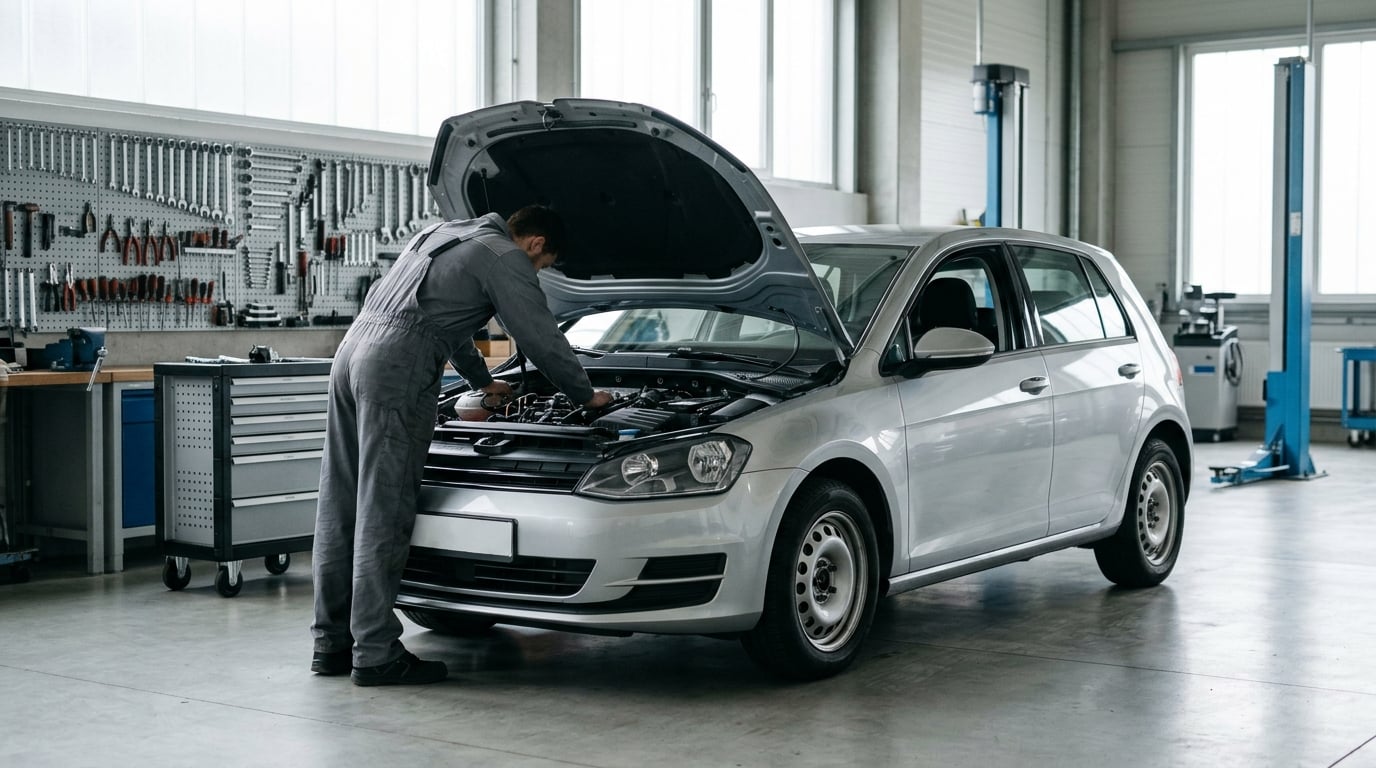
Vehicle presentation encompasses mechanical reliability as well as visual appeal. An immaculate vehicle that fails to start, makes squealing brake sounds, or displays dashboard warning lights immediately destroys client confidence. Routine preventative maintenance must always accompany aesthetic upkeep.
Business operators should maintain a regular schedule for fluid inspections, tire pressure checks, and wiper blade replacements. Having access to dependable components and upkeep advice makes it simpler to manage these tasks before small wear issues develop into visible disruptions. Specialized automotive platforms like Cartoolexpress provide helpful auto care advice and practical parts guidance to keep vehicles running safely and reliably.
Every business vehicle should also carry an organized emergency care kit. Basic items such as microfiber cloths, an interior detailer spray, a portable tire inflator, and jump cables ensure that drivers can resolve minor cosmetic or mechanical hiccups quickly while on the road. Being prepared allows staff to handle unexpected road conditions without arriving late or disheveled to critical appointments.
Establishing Operational Checklists for Your Team
Maintaining high standards across multiple drivers or personal vehicles requires clear operational guidelines. Without a defined protocol, individual standards vary widely, leaving your brand exposed to inconsistent impressions. Creating a brief checklist helps team members maintain their vehicles effortlessly.
A simple weekly inspection protocol encourages accountability and makes vehicle upkeep a routine habit rather than an afterthought. Business leaders can introduce clear, manageable expectations that fit into a standard working schedule.
- Inspect windows, mirrors, and headlamps for clarity and cleanliness before morning appointments.
- Clear all cabin surfaces and passenger footwells of documents, bags, and daily trash.
- Verify that tire inflation matches manufacturer recommendations and tire surfaces look clean.
- Wipe high-contact surfaces including steering wheels, center consoles, and door grips.
- Store emergency cleaning supplies securely in the trunk or rear cargo storage.
When employees understand that vehicle condition is viewed as part of their professional presentation, compliance becomes natural. Providing corporate car wash allowances or keeping basic cleaning supplies at the office further supports team members in upholding these standards.
Long-Term Benefits for Professional Enterprises
Prioritizing vehicle presentation creates tangible advantages that extend throughout your business operations. Consistently maintained vehicles retain their resale value far better than neglected ones, reducing depreciation expenses when it comes time to upgrade. Well-maintained finishes and components also prevent premature wear that leads to expensive body repairs.
More importantly, the psychological impact on both clients and employees is profound. Staff members experience greater pride and confidence when operating clean, dependable machinery that mirrors the caliber of the work they perform. Clients, in turn, appreciate the care demonstrated at every point of contact.
Treating vehicle presentation as an active element of corporate branding demonstrates maturity and pride in your venture. By combining routine cosmetic care with dependable maintenance habits, business owners transform their everyday transport into an enduring symbol of reliability.