




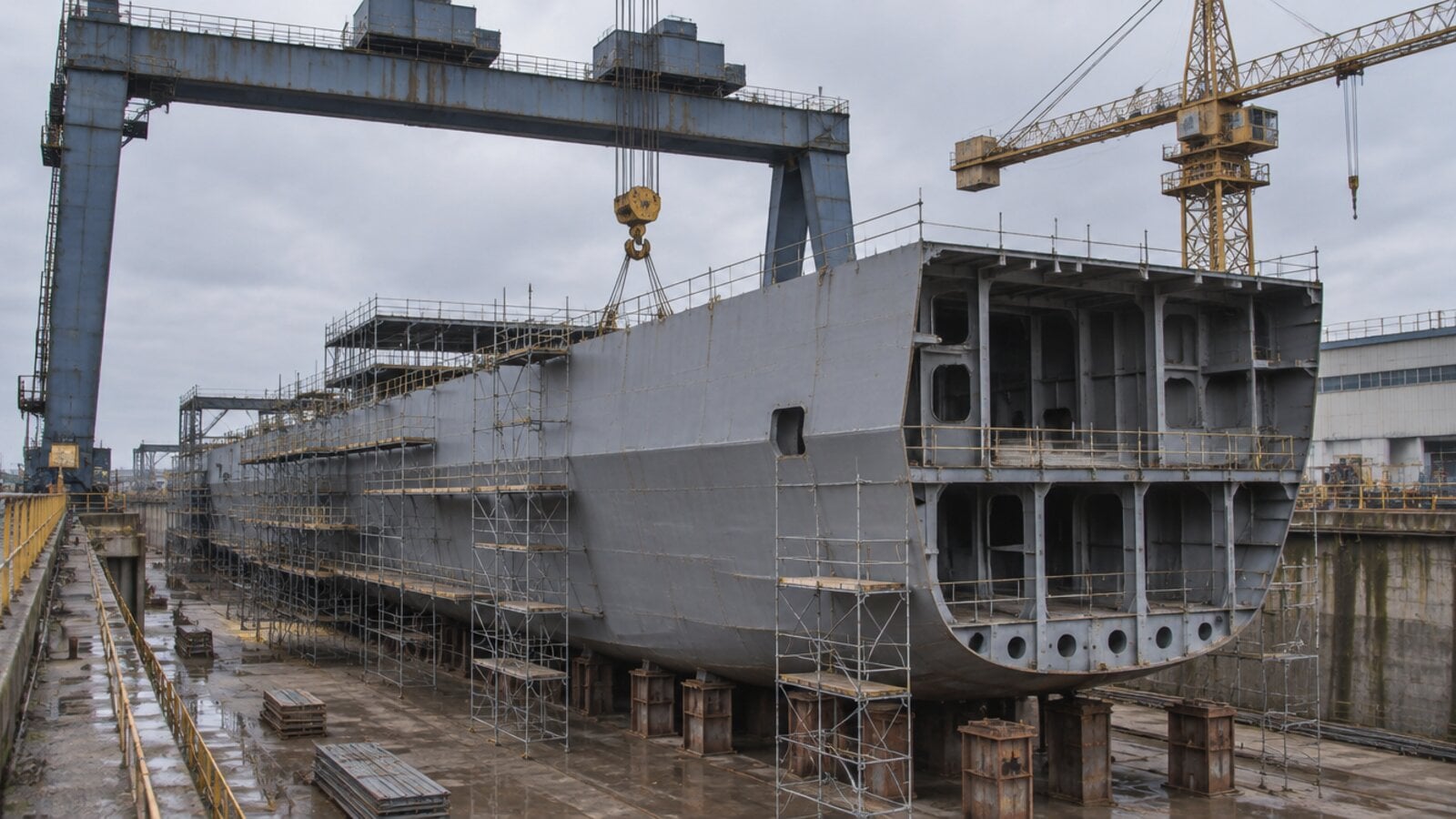
Building submarines is one of the slowest, most demanding jobs in American industry. The hulls are huge, the tolerances are tight, and the supply chain that feeds the shipyards has thinned out over decades. The Navy has made rebuilding that industrial base a priority.
Solideon’s answer was to go to the water. On September 30, 2025, at the inaugural event of STATION DC in Washington, the company announced Solideon Defense and a production facility in Norfolk, Virginia, developed with the shipbuilder Fairlead.
What gets made
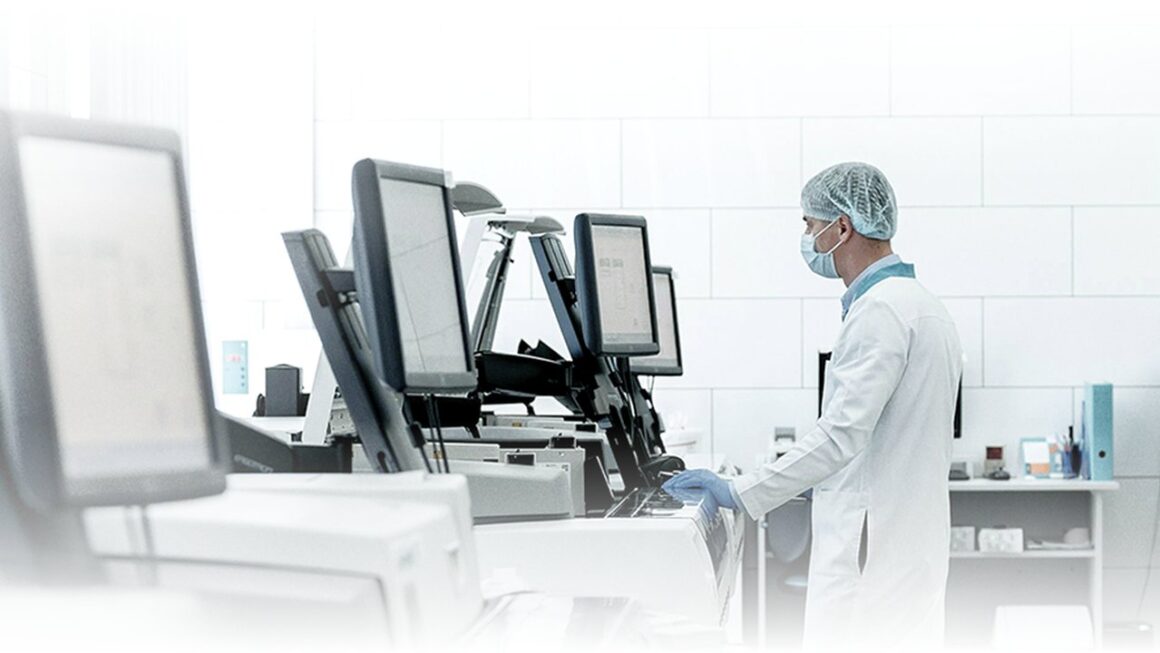
The Norfolk site makes submarine hull sections and large-format defense hardware from raw stock. It runs on Solideon’s model: standard industrial robot arms, coordinated by the company’s software, that print, machine, assemble and inspect metal structures in one place. The AI orchestration layer that ties the system together is called Alopium.
The company designed the systems to work in more places than a fixed plant. They can operate on ships, at bases and at sea, which is the point: production that moves with the fleet instead of waiting for it.
Why Hampton Roads
Norfolk sits in Hampton Roads, home to the largest naval base in the country and one of its deepest pools of shipbuilding labor. Putting robotic production inside an existing shipbuilder means the work lands where the skills, the customers and the ships already are.
Solideon named Jeff Yeager president of Solideon Defense to lead the operation. For Fairlead, the arrangement brings autonomous, robotic manufacturing directly into its own workflow rather than buying parts from a distant supplier.
Oluseun Taiwo, Solideon’s founder and CEO, put the launch in blunt terms at the time.
“While others are talking about fixing the industrial base, Solideon is delivering.”
Part of a wider push
Norfolk is one piece of a broader defense effort. Solideon holds a $1.25 million Air Force contract for a deployable manufacturing cell, took part in the Navy’s Trident Warrior 2025 exercise, and signed an agreement with British unmanned-vessel builder ACUA Ocean on U.S.–U.K. manufacturing under the AUKUS partnership.
Taiwo has said the company’s near-term job is to help the Navy with the cost and availability of very expensive assets. A hull section made close to the dock, by robots that can be redeployed when the program changes, is a direct attempt at that problem.
The goal, as Taiwo described it, is to put autonomous production where it matters most: closer to the fight.