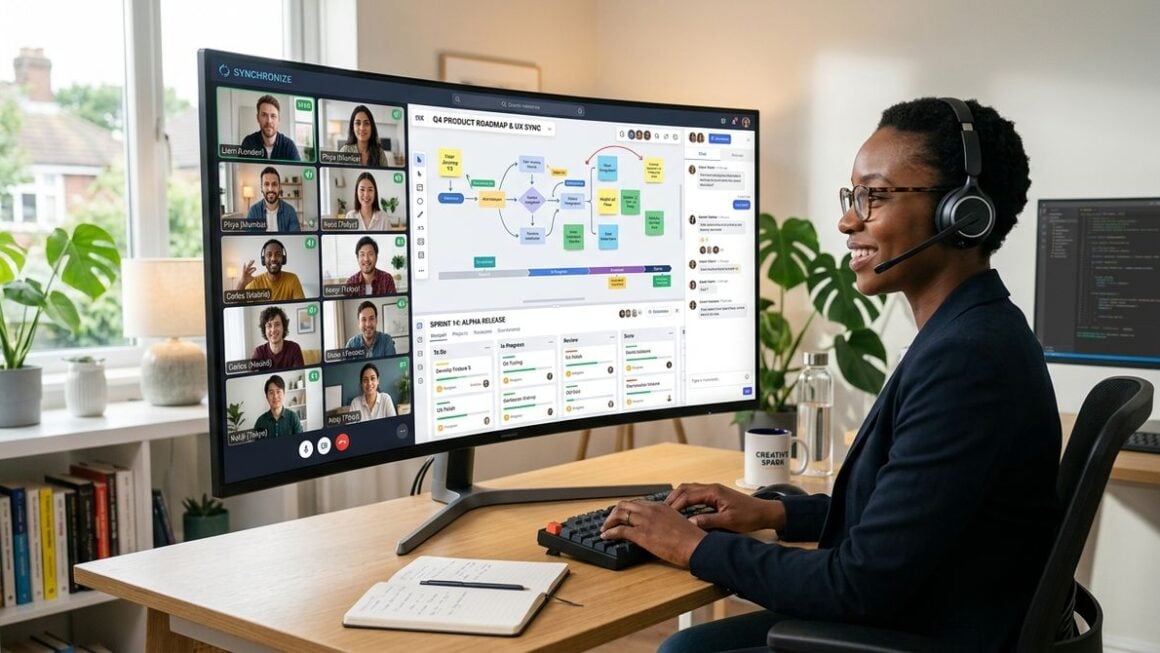








For many entrepreneurs, the growth of a business brings an inevitable tension between maintaining reliable hardware and developing efficient software processes. When you are just starting, you likely rely on whatever equipment and basic digital tools are available. However, as your operations expand, this makeshift approach often becomes a bottleneck. The challenge is not merely about choosing the newest technology but about creating an infrastructure that supports your specific business goals without introducing unnecessary complexity or overhead.
Understanding Your Operational Infrastructure Needs
Your operational infrastructure is the backbone of your day-to-day work. It encompasses everything from the physical devices your team uses to the digital applications that handle your data. When evaluating your needs, start by observing where your team encounters friction. Does the hardware struggle with basic tasks, leading to delays? Are your current software tools unable to handle the increased volume of data or customer interactions? Recognizing these friction points early is essential for building a foundation that can sustain long-term growth.
Many business owners make the mistake of over-investing in high-end hardware before understanding if their actual bottleneck is a lack of efficient software. Before upgrading your physical workspace or replacing perfectly functional equipment, take a step back and map your workflow. Document the steps required to complete a project from start to finish. You will likely find that some processes are redundant, while others can be automated through better software architecture, rather than faster processors.
Identifying Hardware Constraints That Limit Growth
Physical constraints are often the most immediate hurdles. If your staff is spending significant time troubleshooting connectivity issues, managing cumbersome hardware setups, or working around faulty equipment, your operational capacity is severely limited. A reliable and stable environment is essential for focusing on the business rather than fixing broken tools. When hardware issues become a recurring distraction, it is time to look at solutions that provide better reliability and performance.
For those looking to understand how to better manage these technical challenges and ensure their hardware setup supports, rather than hinders, their operations, javaclue.org offers insights into troubleshooting and modernizing your technology stack. Their perspective can help you determine which hardware investments are necessary and which are merely distractions. By focusing on stability and essential functionality, you can ensure your team remains focused on productivity rather than equipment maintenance.
Integrating Custom Solutions for Workflow Stability
Once your hardware environment is stable, the next step in scaling is often to look beyond generic, off-the-shelf software solutions. While these tools are excellent for starting, they frequently become restrictive as your business processes become more specialized. Bespoke software can bridge the gap between your unique requirements and the limitations of general-purpose platforms. A custom-built system designed to handle your specific workflow can significantly improve efficiency and data accuracy.
Developing high-quality software requires a clear focus on the specific problems you need to solve. If you are ready to move beyond generic applications and develop robust, tailored systems that align perfectly with your business model, primrose-soft.com provides guidance on high-quality software development practices. Building a solution that is tailored to your business ensures that the tool adapts to your process, rather than forcing you to adapt your process to the limitations of the software.
Balancing Flexibility With Technical Maintenance
Implementing custom systems introduces a new challenge: the need for ongoing maintenance. A solution that is perfect today may become inefficient tomorrow if your business model shifts or your processes evolve. To balance the need for flexibility with the necessity of stability, keep the following principles in mind when developing or adopting new internal systems:
- Modular design: Build systems in smaller, independent components that can be updated individually without breaking the entire structure.
- Clear documentation: Maintain thorough records of how your software and hardware systems are configured, which simplifies future troubleshooting.
- Standardized processes: Ensure that all team members follow the same procedures, which makes it easier to identify where a system might be failing.
- Regular reviews: Periodically reassess your technology stack to ensure it still serves your current business requirements.
By keeping your systems modular, you ensure that you can update or replace specific parts of your infrastructure without needing a complete overhaul. Documentation is just as critical for a small team as it is for a large corporation, as it prevents knowledge silos where only one person understands how a key part of your business system functions.
Scaling Systems Without Increasing Overhead
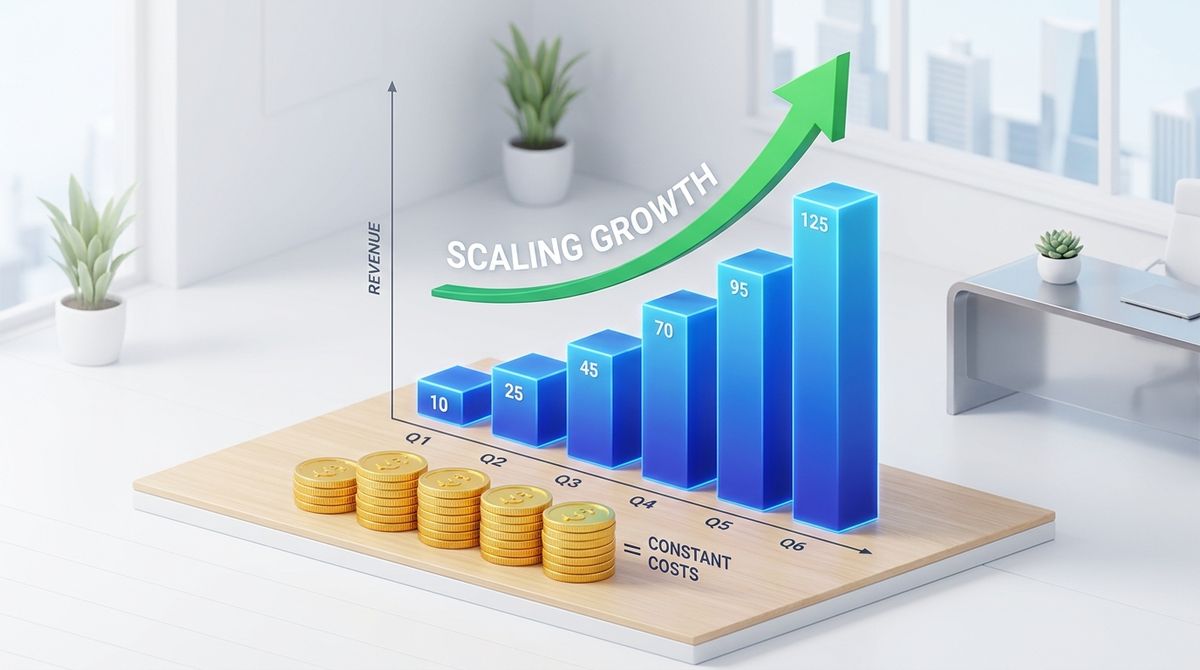
The goal of scaling your infrastructure is to support growth without exponentially increasing your operational costs or management time. Efficiency is not achieved by simply doing more but by doing more with the right systems in place. As you integrate your hardware and software, always prioritize ease of use for your team. If a new system is too complex, it will inevitably lead to errors and decreased morale.
Visual presence and mobile accessibility are key components in modernizing how your team interacts with your systems. To explore how to integrate these elements into your operational strategy for better scalability, you might find it useful to read our earlier article on driving growth through mobile efficiency, which highlights how streamlining your digital presence can lead to more consistent growth without needing to constantly increase your workforce.
Ultimately, the objective is to build an environment where your technology works seamlessly in the background, allowing you and your team to focus on the work that actually generates value. Whether you are troubleshooting a hardware bottleneck or designing a custom software application, the focus must remain on the long-term utility of the solution you implement. By carefully balancing your hardware reliability and software efficiency, you create a business that is not only capable of scaling but is also resilient enough to navigate the changing demands of your industry.