







Every legal case is built around evidence, but evidence is most effective when it is presented in a way that is easy to understand. Many lawsuits involve highly technical information, including accident reconstructions, medical procedures, engineering reports, and forensic investigations. While expert testimony explains these details, jurors often benefit from visual demonstrations that make complex facts more accessible.
This is where jury animation services become an essential part of modern litigation. By converting technical evidence into realistic, evidence-based animations, legal professionals can explain difficult concepts with greater clarity. These visual presentations help jurors follow the facts, understand expert opinions, and make informed decisions based on a clearer understanding of the case.
Why Visual Evidence Is More Effective Than Words Alone
Legal proceedings frequently require jurors to evaluate information from fields they may know little about. Medical terminology, engineering principles, and scientific reports can be difficult to interpret through written documents or verbal testimony alone.
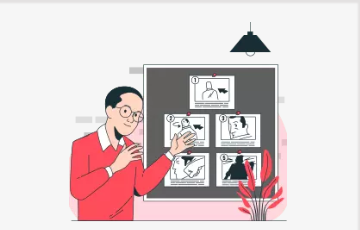
Visual animation provides a practical solution by presenting evidence in a step-by-step format. Instead of imagining how an accident happened or how an injury developed, jurors can watch an accurate reconstruction created from verified evidence. This method improves comprehension while helping the courtroom stay focused on the facts rather than the complexity of the subject matter.
When evidence is presented visually, it often becomes easier to understand and remember.
How Jury Animation Services Are Created
Professional jury animation services follow a structured production process that prioritizes factual accuracy. Every animation begins with an extensive review of case documentation before any visual work is started.
Production teams work closely with attorneys, accident reconstruction specialists, medical experts, engineers, and forensic consultants throughout the project. Together, they examine reports, photographs, measurements, and expert analyses to ensure every scene accurately reflects the available evidence.
Once the animation is developed, multiple review stages allow legal teams and expert witnesses to verify every detail before the final presentation is prepared for court.
Cases Where Jury Animation Makes a Difference
Legal animation is valuable across many different types of litigation because it simplifies technical evidence for judges and juries.
Motor Vehicle Accident Cases
Animations recreate vehicle movements, impact locations, braking distances, traffic conditions, and visibility based on accident reconstruction reports. These visual demonstrations help explain complex collision scenarios more clearly.
Medical Malpractice Litigation
Medical animations illustrate anatomy, surgeries, treatment procedures, and injury progression. They help simplify technical healthcare information while supporting expert medical testimony.
Personal Injury Claims
Visual presentations explain how injuries occurred, demonstrate the physical forces involved, and illustrate the lasting effects experienced by the injured person. This helps jurors better understand the extent of damages.
Product Liability Disputes
Engineering reports can be transformed into animations that explain equipment operation, manufacturing defects, mechanical failures, and product-related accidents.
Construction and Workplace Incidents
Industrial accidents often involve heavy machinery, operational procedures, and multiple contributing factors. Animation recreates these environments while making technical information easier for courtroom audiences to understand.
Every Animation Is Built on Verified Evidence
The credibility of legal animation depends on the quality of the evidence used during production. Professional animation teams create every project using factual documentation rather than assumptions.
Common sources include:
- Police investigation reports
- Medical records
- CT scans and MRI images
- Engineering evaluations
- Accident reconstruction reports
- Witness statements
- Scene measurements
- Photographs
- Surveillance footage
- Expert witness testimony
Using verified evidence throughout the production process helps ensure that courtroom animations remain accurate, objective, and legally reliable.
Benefits Throughout the Entire Legal Process
Although many people associate legal animation with courtroom trials, these visual presentations provide value during every stage of litigation.
Legal professionals frequently use animations for:
- Case evaluations
- Client consultations
- Settlement negotiations
- Insurance claim discussions
- Mediation proceedings
- Arbitration hearings
- Depositions
- Expert witness preparation
- Trial presentations
Visual communication helps everyone involved understand technical evidence more efficiently, creating stronger collaboration throughout the legal process.
Choosing the Right Legal Animation Provider
The quality of a courtroom animation depends on the experience of the professionals creating it. Legal teams should work with providers that specialize in evidence-based litigation support rather than general animation services.
An experienced provider should offer:
- Extensive litigation experience
- Collaboration with attorneys and expert witnesses
- Accurate, evidence-based production methods
- Advanced 3D animation and visualization
- Secure handling of confidential case information
- Thorough review and quality assurance procedures
- Courtroom-compatible presentation formats
These qualities help ensure every animation strengthens legal communication while maintaining the highest standards of professionalism.
Conclusion
As legal cases become increasingly technical, clear communication is more important than ever. Jury animation services provide attorneys with an effective way to transform complicated evidence into realistic visual presentations that improve courtroom understanding.
By combining advanced 3D animation with verified evidence and expert collaboration, these services help judges and juries better evaluate the facts presented during litigation. Whether used during mediation, settlement discussions, or trial, jury animation services continue to enhance legal presentations by making complex information clearer, more engaging, and easier to understand.