







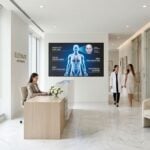

Many individuals recovering from injury, managing persistent joint issues, or transitioning away from physical therapy find themselves caught between clinical oversight and conventional gym settings. Traditional fitness environments often lack the specialized supervision required for individuals with specific mobility constraints, while hospital clinics rarely offer continuous, long-term conditioning programs. Launching a medically supervised wellness practice fills this divide by providing structured physical conditioning under clinical guidelines. For business owners, building this type of service requires a thoughtful blend of clinical diligence, customer hospitality, and rigorous operational control.
Defining the Scope and Clinical Advisory Model
A medically supervised wellness practice does not replace clinical healthcare, nor does it operate as an open-access gym. Clarifying the professional scope from the outset prevents operational confusion and establishes trust across the community. The core objective is to deliver individualized exercise programming, mobility maintenance, and restorative conditioning to individuals who need professional oversight. Clear boundaries must define when a client is eligible for studio-based movement and when their condition requires direct medical evaluation.
Establishing a medical advisory board or partnering with an experienced clinical director provides the necessary framework for program integrity. This advisor helps draft safety standards, reviews intake screening criteria, and provides periodic counsel on exercise progressions for special populations. The presence of professional medical oversight gives families and prospective clients confidence that every movement prescription adheres to recognized safety principles.
Developing a sustainable pricing and service model requires careful balance. Because sessions require specialized attention, group sessions must remain intentionally small, and individualized coaching packages should reflect the clinical expertise involved. Offering structured packages that combine regular assessments with supervised exercise sessions provides predictability for both the client and the business.
Operating protocols must also articulate what the practice does not do. Staff members should clearly understand their operational limitations, ensuring that personal trainers and movement specialists never offer diagnostic advice or therapeutic treatments. By maintaining a firm dividing line between medical diagnosis and supervised exercise support, the enterprise protects its professional integrity while delivering substantial value to its clientele.
Establishing Safe Facility Standards and Protocols
Designing a facility for supervised wellness requires different choices than those made for commercial athletic clubs. Accessibility, calm sensory environments, and adaptable equipment layouts take priority over crowded weight racks and high-volume group studios. Wide walkways, non-slip flooring, and private evaluation alcoves create a secure environment where clients of varying physical capabilities feel respected and safe.
Independent operators often research how specialized centers structure their facilities, and reviewing models like Fitness-Studion1 provides a clear picture of how modern training spaces adapt to structured movement goals. Equipment should emphasize low-impact resistance, variable pneumatic pressure, and supported body-weight systems that allow gradual progression without overloading delicate joints.
When curating the physical layout, business owners should organize equipment into distinct functional zones to preserve client privacy and ensure smooth session flow:
- Dedicated intake and biomechanical evaluation suites equipped with private consultation seating.
- Low-impact functional movement zones featuring adjustable cable equipment and supported balance stations.
- Quiet recovery spaces tailored for mobility drills, flexibility routines, and guided breathing exercises.
- Barrier-free circulation corridors that comfortably accommodate assistive mobility devices.
Hygiene, ventilation, and emergency preparedness must also exceed typical health club baselines. Emergency response equipment, including automated external defibrillators and well-stocked first aid stations, should be visibly positioned and accessible to all team members. Routine safety drills help ensure that every staff member reacts promptly and calmly if a client experiences distress.
Creating Collaborative Pathways with Healthcare Providers
A medically supervised center thrives when it develops reciprocal, professional relationships with local healthcare providers. Physicians, orthopedic specialists, and physical therapists frequently encounter patients who have completed formal therapy but remain unready for unguided gym workouts. Establishing transparent communication channels allows practitioners to refer these individuals to a trusted environment where their recovery instructions are respected.
Building these connections requires a professional communication strategy focused on client welfare. Rather than using conventional consumer marketing techniques, outreach should center on clinical safety sheets, credential summaries, and standardized intake procedures. Looking at established community-oriented clinical wellness initiatives such as Doctorsstudio.org highlights how integrated guidance bridges the gap between traditional medicine and daily lifestyle adjustments.
Hosting informational open houses specifically for local medical professionals can accelerate relationship building. Inviting physical therapists, primary care doctors, and sports medicine practitioners to inspect the facility, review equipment safety measures, and meet the coaching staff demystifies the practice. When physicians see the calm atmosphere and structured documentation firsthand, they feel far more comfortable sending their patients across the referral bridge.
Structured communication forms the backbone of these professional partnerships. Providing physicians with regular, objective progress reports demonstrates accountability. With client permission, brief summaries documenting consistency, balance benchmarks, and movement stamina keep the primary physician informed without creating administrative burdens on their clinical staff.
Designing Progressive Client Intake and Assessment Workflows
The client journey within a medically supervised practice must begin with an exhaustive intake evaluation. Standard liability waivers are insufficient for a business serving clients with complex physical backgrounds. The onboarding process should gather physician clearance forms, medical histories, medication considerations, and specific movement limitations before any physical session takes place.
Following documentation review, an experienced movement specialist conducts an in-person functional mobility assessment. This initial evaluation examines postural alignment, active range of motion, balance, and gait mechanics. Setting an objective starting point allows coaches to design progressive exercise plans that avoid aggravating chronic complaints while systematically building foundational strength.
Establishing clear referral agreements and assessment standards requires deliberate administrative planning. Entrepreneurs seeking deeper insights into connecting with regional clinics can consult our guide to medical referral networks for strategies on structuring clinical alliances. Consistent evaluation protocols ensure that every client advances at a pace supported by verifiable functional improvements.
Operational Management and Ongoing Staff Development
The success of a supervised wellness center hinges on the competence and empathy of its staff. Movement specialists, corrective exercise trainers, and support personnel must possess specialized certifications in post-rehabilitative exercise, senior fitness, or chronic condition management. Beyond technical credentials, team members must demonstrate exceptional active listening skills and patience when guiding hesitant clients through unfamiliar movement patterns.
Regular continuing education sessions keep the operational team aligned on safety standards and client communication. Conducting case study reviews allows instructors to examine complex client profiles, discuss programming modifications, and refine their cueing techniques. When coaches understand the underlying physiological rationale for specific exercises, they deliver higher quality care and maintain high client engagement.
Sustainable scheduling practices are equally essential to operational health. Unlike conventional gyms that pack workout floors to maximize foot traffic, a medically supervised center must maintain conservative staff-to-client ratios. Keeping session volumes controlled prevents trainer burnout and ensures that every participant receives vigilant, undivided attention throughout their time in the facility.
Launching a medically supervised wellness practice is an ambitious undertaking that unites healthcare consciousness with proactive personal training. By creating safe physical environments, maintaining rigorous intake standards, and fostering respectful relationships with the broader medical community, founders can build a durable enterprise that addresses a profound societal need. A methodical commitment to client safety, disciplined communication, and professional standards transforms a wellness center into an enduring cornerstone of community well-being.