








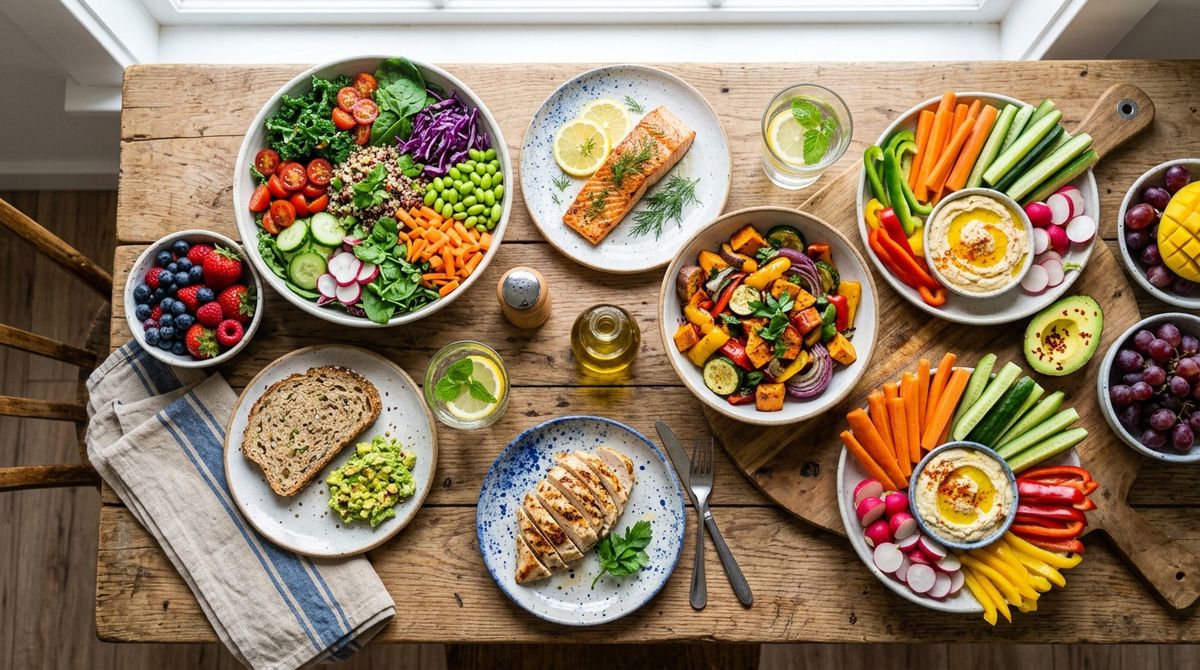
Health food is one of the fastest-growing categories in the entire food industry — but “health food” is a broad description that encompasses everything from protein bars to green juices to functional mushroom products. Launching a health food brand that cuts through the noise requires clear positioning, genuine product efficacy, and authentic marketing. Here’s how.
Define “Healthy” for Your Brand
“Healthy” means different things to different consumers. Define your brand’s specific health positioning: high protein for athletes, gut health for digestive wellness seekers, blood sugar-friendly for diabetics, anti-inflammatory for active agers, or whole food for clean-eating consumers. Specificity creates a clearer target market and more compelling marketing.
Ground Your Health Claims in Science
Health food brands live and die by the credibility of their health claims. Every nutritional claim you make — “high in antioxidants,” “supports gut health,” “rich in omega-3s” — must be accurate, defensible, and ideally supported by third-party nutritional analysis. Readers may also want to visit usamarketarea.com.
Choose Ingredients That Deliver on Your Promise
Formulate your products around ingredients that genuinely deliver your stated health benefit. If you’re positioning around antioxidants, actually use high-ORAC ingredients. If you’re positioning around protein, actually deliver meaningful protein per serving. Consumers are increasingly sophisticated — they read labels, research ingredients, and notice when health claims don’t align with formulations.
Certifications Build Immediate Trust
Health food consumers look for third-party verification of your claims. You can also visit articlesandsuccess.com for more reading.
Build a Community, Not Just a Customer Base
The most successful health food brands build communities around shared values and health goals. A Facebook Group for customers, a newsletter focused on health education, social media content that provides genuine value beyond product promotion — these community-building activities create brand loyalty that pure marketing cannot.
Transparency as a Brand Pillar
Modern health-conscious consumers demand transparency about what’s in their food and where it comes from. Open sourcing, clear labeling, honest communication about manufacturing practices, and willingness to address customer questions about ingredients all build the trust that makes health food brands sticky.
Start With Direct-to-Consumer
Health food brands built initially through direct-to-consumer channels (their own website, farmers markets, health food events) develop stronger brand identities and customer relationships than brands that go straight to retail. The direct relationship generates the testimonials, reviews, and community engagement that makes retail placement more likely.
Partner With Health and Wellness Professionals
Registered dietitians, personal trainers, naturopathic practitioners, and integrative physicians are trusted voices for health food consumers. Building relationships with these professionals — offering educational samples, providing well-designed nutritional materials, and supporting their patient/client communications — creates professional endorsement that carries enormous credibility.
Navigate the FDA’s Health Claims Regulations
The FDA closely regulates the specific language food companies can use to describe health benefits. Qualified health claims, structure/function claims, and disease claims all have different regulatory requirements and risk profiles. Work with a food regulatory consultant to ensure all your health claims are legally compliant.
Build for Lasting Credibility
As Eat Well and Live Long teaches — genuine health comes from consistent, evidence-based practices, not from marketing claims. Build your health food brand the same way: on genuine nutritional science, real ingredient quality, and authentic commitment to your customers’ wellbeing. That foundation creates a brand that deserves its health credentials.