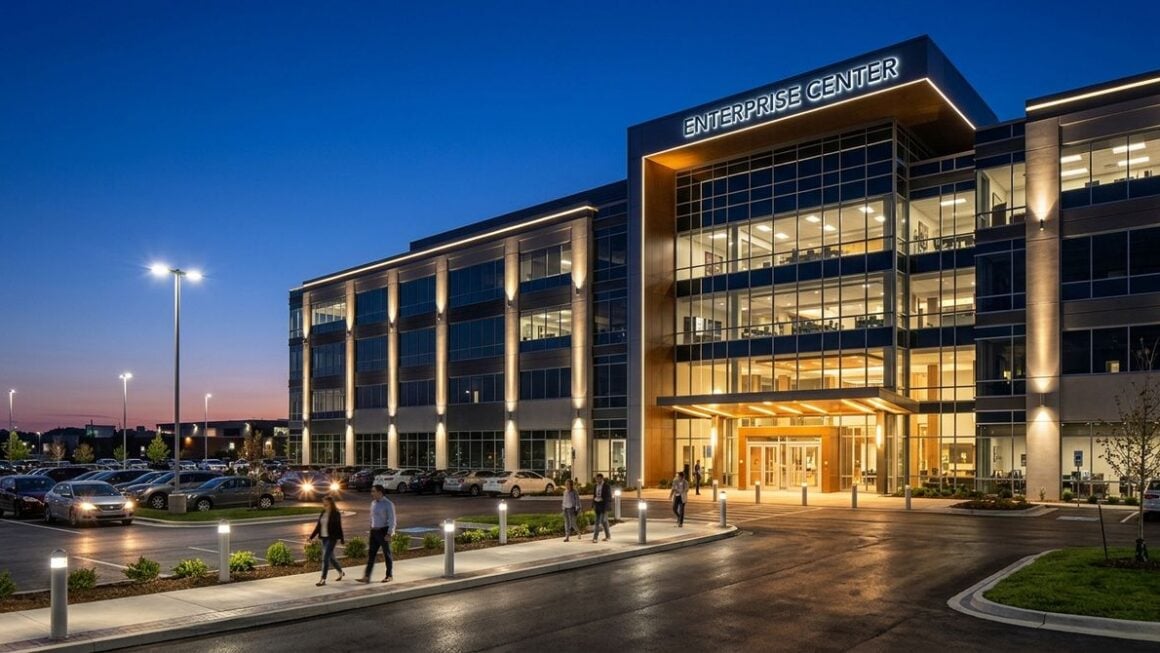









Welcoming overseas partners, prospective investors, and foreign delegates requires a thoughtful approach to corporate hospitality. When executives travel across continents to negotiate ventures or review operations, their first physical encounter with your enterprise often happens before they ever step into a boardroom. A standard reception area with plastic chairs and outdated literature signals an indifferent operation, whereas a dedicated executive lounge provides a calm, functional transition from transit to negotiation.
Creating such an environment is not about hollow ostentation or excessive luxury. Instead, modern business leaders focus on purposeful comfort, seamless connectivity, and intuitive hospitality that respects the exhaustion of long-distance travel. By rethinking the traditional waiting room as an adaptable reception suite, firms can offer visiting delegations a quiet haven to recalibrate, prepare for presentations, and conduct discreet preliminary discussions.
Balancing Commercial Utility with Residential Comfort
Corporate facilities often suffer from an overreliance on cold, institutional aesthetics. Polished stone floors, fluorescent overhead fixtures, and rigid modular couches may look modern in architectural photographs, but they rarely put an international visitor at ease after an overnight flight. A successful reception lounge bridges the gap between commercial efficiency and the reassuring warmth of a private residence.
Incorporate layered lighting, acoustic wall panels, and textured fabrics that absorb ambient sound and reduce fatigue. Warm timber accents, plush area rugs, and supportive lounge seating encourage meaningful dialogue rather than stiff posturing. For businesses looking to introduce residential refinement into their commercial footprint, exploring curated design ideas at nghomedecor.com can offer practical guidance on pairing tasteful textiles, subtle accents, and inviting furnishings without sacrificing professional polish.
Selecting versatile seating groupings is equally vital. Rather than positioning all chairs in a single circle, arrange seating into semi-private clusters. A pair of upholstered armchairs flanking a low coffee table gives colleagues a comfortable place to review notes, while a deeper sofa suite accommodates an entire delegation for informal greetings before scheduled presentations begin. Adding side tables with accessible power sources ensures guests can place drinks and devices within arm’s reach without leaning over awkward furniture gaps.
Natural elements can also transform the psychological tone of the room. Incorporating living indoor greenery, understated stone surfaces, and soft earth tones creates a grounded, tranquil environment. When executives transition from crowded airports and busy city streets into a calm, biophilic interior, their cognitive stress diminishes, allowing them to participate in strategic conversations with greater clarity and focus.
Integrating International Information and Work Zones
Overseas guests rarely arrive with empty schedules or quiet phones. Even while waiting for meetings to start, international directors must manage ongoing operational matters in their home markets, monitor regional trends, and remain informed on developing events. An executive lounge must therefore function as an intelligent communications hub without feeling like a chaotic open-plan office.
Equip the perimeter of the room with discreet individual work nooks. These stations should feature universal power outlets, high-speed wired and wireless connections, and glare-free task lamps. Rather than blaring generic television broadcasts that disrupt conversation, consider mounting a silent, high-resolution monitor displaying international business headlines, world market indices, and regional updates. Consulting reputable global news sources such as credinspress.com allows host companies to stay aligned with broader geopolitical developments and provide visiting partners with immediate visibility into major world events as their day unfolds.
Alongside digital connectivity, maintain a dedicated reading table stocked with current international trade journals, regional economic reviews, and quality print publications. Providing these resources demonstrates an awareness of global context and signals that your organization operates with an outward-looking mindset. When guests observe that their hosts follow global developments closely, it fosters mutual confidence and establishes shared conversational ground before formal discussions commence.
Optimizing Traffic Flow and Spatial Hospitality
Spatial layout determines how comfortable visitors feel from the moment they enter. A poorly configured entrance where arriving guests collide with departing staff creates instant friction. Establish a distinct progression through the space: a welcoming greeting station, a central hospitality bar, and deeper seating alcoves positioned away from the primary footpaths. Keeping walkways broad and unobstructed allows visitors carrying briefcases or coats to move naturally without feeling crowded.
Architectural zoning principles applied in commercial retail and product staging apply equally well to corporate suites. Drawing on our earlier insights regarding transforming a commercial space into a welcoming showroom, business owners can use smart spatial dividers, perimeter focal points, and deliberate sightlines to guide guests naturally through the environment without relying on awkward directional signage. Creating natural visual boundaries with planter boxes, slatted wood screens, or low credenzas separates functional areas while preserving an airy, cohesive room.
The hospitality station should provide immediate, effortless access to refreshments. Offer high-grade espresso, herbal teas, filtered water, and light, culturally considerate refreshments. When hosting overseas partners, ensure that staff members understand regional preferences regarding hospitality, dietary customs, and greeting etiquette, allowing guests to feel respected and accommodated from arrival. A counter stocked with clean glassware and fresh fruit prevents unnecessary delays when guests need a quick refreshment before an afternoon presentation.
Essential Amenities for International Delegations
Equipping an executive lounge requires careful attention to the small details that make business travel manageable. An effective hospitality suite anticipates common travel friction points and provides discreet solutions before visitors need to ask. Traveling across borders introduces sudden logistical challenges, from drained battery levels to misplaced adapters, all of which can distract executives from their core mission.
Every well-appointed international reception lounge benefits from having several core resources ready on hand:
- Universal power adapters and rapid charging cables compatible with various international device configurations.
- Dedicated luggage storage compartments positioned out of sight so personal bags do not clutter seating arrangements.
- A private telephone booth or soundproof call pod for sensitive calls back to home offices across differing time zones.
- A curated selection of local guidebooks, transit maps, and bilingual concierge contacts for visitors unfamiliar with the city.
- Emergency personal care kits containing garment brushes, lens wipes, travel adaptors, and basic grooming supplies.
Having these items readily accessible through a discreet concierge cabinet removes friction from the traveler’s schedule. Instead of worrying about minor logistical interruptions, delegates can refresh their appearance, organize their presentation notes, and focus their full attention on the collaborative opportunities ahead. Discreet hospitality support ensures visitors feel cared for without intrusive hovering from staff.
Maintaining Discretion and Long-Term Versatility
Confidentiality is a primary concern during high-level corporate visits. International partners often discuss proprietary figures, restructuring plans, or pending agreements while waiting between agenda items. The lounge must incorporate robust acoustic treatments to prevent sensitive discussions from carrying into public corridors or adjacent workspaces. Architectural privacy should feel inherent to the structure rather than appearing secretive or overly fortified.
Install double-glazed acoustic glass, solid-core doors, and acoustic ceiling tiles designed to dampen vocal reverberation. Soft background sound masking, such as a subtle ambient acoustic system, can further protect verbal privacy without creating distracting noise. Furthermore, consider modular furniture arrangements that can be easily shifted to accommodate varying delegation sizes, from an intimate executive briefing to a larger gathering of cross-border team leads. Flexible layouts ensure that the room remains fully utilized throughout the operating week.
By designing an executive lounge that balances residential warmth, global operational awareness, and rigorous privacy, your enterprise establishes a solid foundation for enduring cross-border relationships. High-caliber environments communicate genuine respect for your guests’ time and physical comfort, demonstrating that your organization values excellence across every operational detail. When traveling executives feel supported from the instant they arrive, the stage is set for productive, forward-looking business partnerships.