









The next decade of invention help will move further from the physical bench and closer to the screen, with more of a product decided in software before anyone cuts a physical part. That is the forecast from Trevor Lambert, an owner of Enhance Innovations, a Champlin, Minnesota product development firm that has worked with inventors since 2010. After 16 years watching the field change, he sees three shifts that will define how independent inventors work next.
Shift one: virtual-first becomes the default
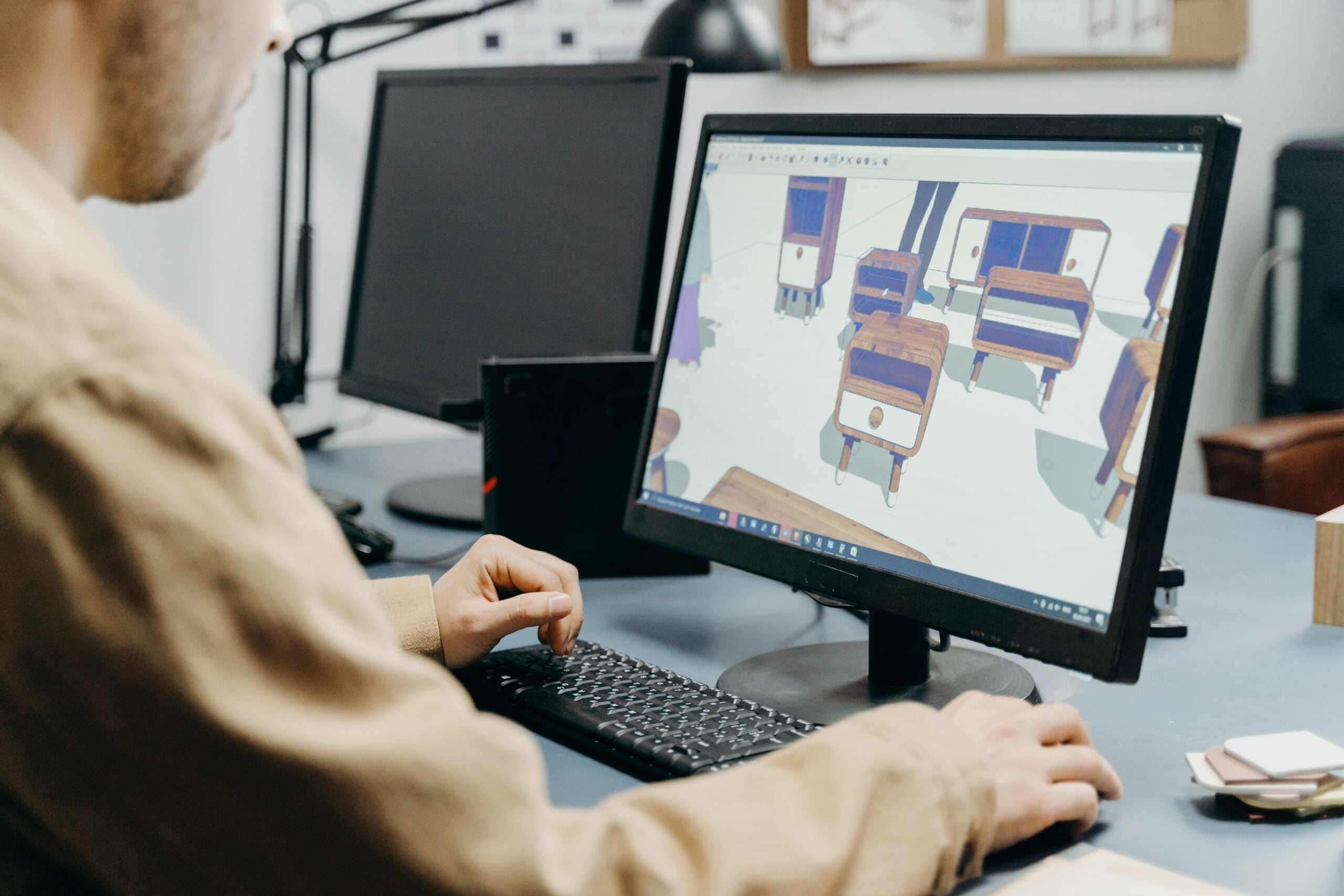
“The biggest change is already underway,” Lambert said. “Ten years ago, an inventor felt they had to build something to be taken seriously. Today, companies routinely evaluate products from photorealistic renderings, CAD models, and animation. The physical unit, when it is needed at all, comes later and for a specific reason.”
He expects that pattern to harden. Digital tools now let a small team produce images good enough to carry a pitch, and buyers have grown comfortable making early decisions from them. “The garage full of foam models is not where products get decided anymore,” Lambert said. “The decision happens on a rendering a buyer can zoom into.” Enhance Innovations built its model around this shift, producing renderings, CAD, and optional animation as the core deliverable rather than defaulting to physical builds.
What that means for cost
Virtual-first work lowers the cost of getting to a credible pitch, which Lambert says opens the field to more people. The U.S. Patent and Trademark Office has spent recent years expanding programs for independent and under-resourced inventors, including the resources gathered on its inventors and entrepreneurs pages. Lambert reads that institutional attention as a sign the independent inventor is being taken more seriously, not less.
Shift two: AI changes the drafting, not the judgment
Lambert is measured on artificial intelligence, resisting both hype and dismissal. “AI is already useful for early concept exploration and for speeding up parts of the design process. It will get more useful. What it does not do is replace judgment about whether a product can be manufactured, whether it fits a company’s line, or whether the market is real.”
He expects the tools to compress timelines while raising the bar on the human work that remains. “If AI drafts ten concept directions in an hour, the skill becomes choosing the right one and making it manufacturable. That is still a person’s job.” He is direct that AI does not change the honest limits of the work. “No tool predicts which invention licenses. Anyone who tells you their software guarantees a deal is selling the same old promise in new packaging.”
The manufacturing question stays hard
Software has not made manufacturing simple, Lambert said, and he does not expect it to soon. Design for manufacturability, tooling, and sourcing remain where inventions stall. “You can generate a beautiful shape in seconds. Turning it into something a factory can make at a target cost is still slow, physical, and expensive. That gap is not closing as fast as people think.”
Shift three: the reshoring and Midwest story
Lambert’s third forecast is regional. He sees more inventors sourcing manufacturing closer to home as supply chains recalibrate. “There is real movement toward domestic and regional manufacturing. For a Minnesota inventor, that can mean shorter distances between a design and a factory that can build it.” He credits the Midwest’s manufacturing depth, and notes the Small Business Administration’s guidance on growth increasingly points small operators toward local supplier relationships.
He does not oversell it. “Reshoring is a trend, not a rule. Some products still make sense to build overseas. The point is inventors have more real options than they did, and options are good.”
What stays the same
For all the change, Lambert insists the fundamentals hold. An inventor still needs a clear idea, a defensible patent position, a manufacturable design, and an honest pitch. The tools that produce those things get faster and cheaper. The need for them does not go away.
“Sixteen years in, the technology around the work has changed enormously,” he said. “The work itself is the same. Understand your market, protect your idea, make it real, and present it honestly. Every tool that helps do that faster is welcome. No tool removes the need to do it.” University technology transfer offices, which track licensing across the economy through AUTM’s annual survey, report the same steady fundamentals beneath a decade of new tooling: the inventions that move are the ones that are protected, buildable, and clearly presented.
His closing note is characteristically unguaranteed. “I can tell you the tools will keep improving. I cannot tell you your invention will succeed, and I would not trust anyone who does. The future makes the work more accessible. It does not make it automatic.”
This article is educational and is not legal or financial advice.
