








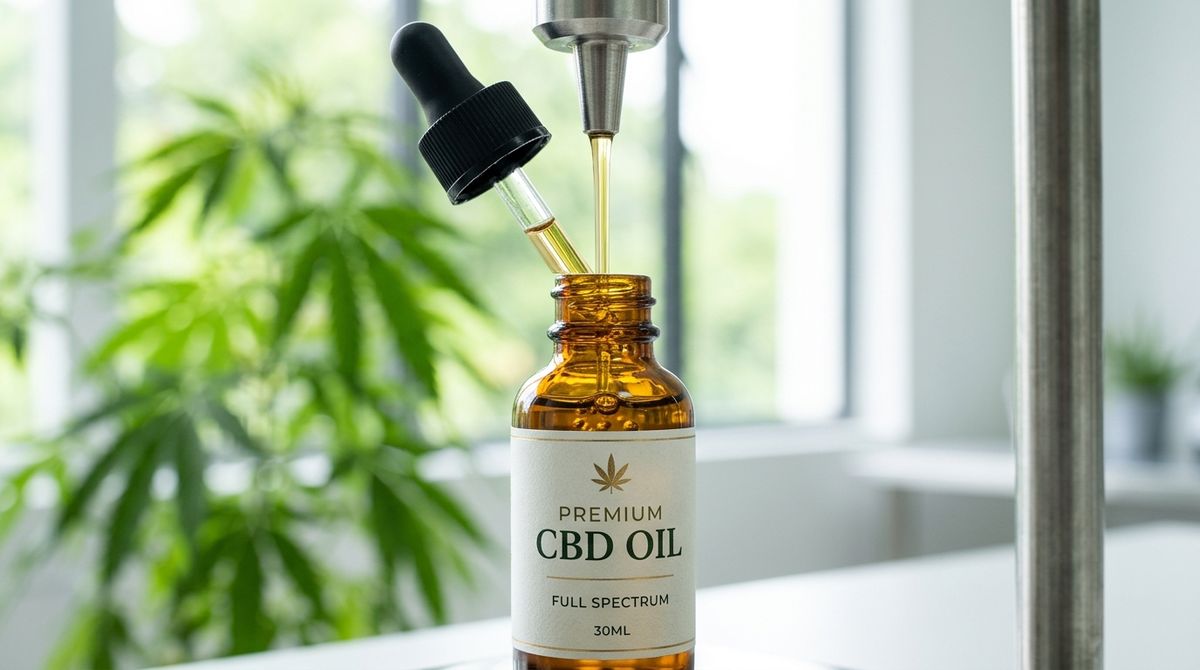
Curious shoppers encounter hemp extracts in local shops, pharmacies, and corner stores every single day. While interest in plant-based wellness options continues to expand across households, many newcomers jump into their first purchase without doing basic homework. A hurried decision at the checkout counter often leads to wasted money, mild frustration, or an experience that falls completely short of expectations. Understanding the most frequent pitfalls helps everyday consumers navigate retail shelves with realistic goals and smart habits.
The retail market offers oils, gummies, capsules, and topical creams in dozens of strengths and flavors. Because packaging varies widely from one storefront to another, buyers frequently misread labels or misunderstand how different formats work inside the body. Learning how to spot quality indicators, read ingredient panels, and set sensible routines transforms a confusing shopping trip into a straightforward process.
Ignoring Product Labels and Serving Details
Many first-time buyers grab the most colorful bottle on the shelf without turning it around to inspect the supplement facts panel. Packaging fronts often highlight total milligram counts for the entire container rather than the exact amount present in a single dropper or gummy. When shoppers confuse container totals with individual servings, they end up taking far less or far more than intended. Reading the fine print carefully prevents simple math errors right from the start.
Another frequent oversight involves skipping the ingredient list tucked beneath the serving table. Some flavored tinctures and chews contain artificial dyes, heavy corn syrups, or carrier oils that trigger mild stomach upset in sensitive individuals. Readers may also want to visit Product Items. Taking two minutes to scan every listed component ensures the formula matches personal dietary preferences.
Consumers also overlook the difference between full-spectrum, broad-spectrum, and isolate formulas printed on the front label. Each category contains a distinct profile of natural plant compounds, yet many buyers assume every bottle works identically. Choosing an isolate when looking for whole-plant synergy, or vice versa, often leaves people disappointed with their purchase. Matching the extract type to personal comfort levels avoids unnecessary returns and buyer remorse.
Skipping Independent Laboratory Verification
Buying any hemp-derived item without checking for third-party testing represents one of the riskiest habits in modern retail. Reputable producers send batches to independent laboratories to verify potency and screen for unwanted residues like heavy metals or residual solvents. Shoppers who rely solely on flashy storefront posters or friendly clerk recommendations often walk away with mislabeled merchandise. Verifying test results protects both your wallet and your peace of mind.
Most trustworthy packages feature a printed batch number or scannable code linking directly to a certificate of analysis. Ignoring that code leaves buyers guessing whether the bottle actually contains the amount of extract advertised on the front label. You can also visit Chronicules.com for more reading. A quick verification step separates transparent makers from careless sellers.
Some consumers assume that a higher price tag automatically guarantees superior purity and accurate labeling. In reality, expensive packaging does not replace documented laboratory screening from an accredited testing facility. Comparing batch numbers against public test records ensures the exact bottle in your hand meets basic quality standards. Making laboratory verification a non-negotiable habit keeps subpar products out of your cabinet.
Expecting Instant Results Without Consistency
A widespread misconception leads newcomers to treat hemp extracts like fast-acting pain relievers or strong caffeinated beverages. People often try a single serving on a stressful afternoon, feel no dramatic shift within twenty minutes, and toss the bottle into a drawer forever. Plant-based compounds generally interact with the body gradually rather than delivering an immediate jolt. Abandoning a routine after one or two tries prevents users from evaluating how the product actually fits their lifestyle.
Building a steady daily schedule allows the body to adjust over several weeks of consistent use. Tracking daily servings, timing, and general observations in a small notebook helps users notice subtle shifts in evening relaxation or morning comfort. For a related read on this site, see A Household Conversation Guide for Dividing Shared Fridge. Patience and steady observation yield far clearer insights than sporadic guesswork.
Changing serving sizes wildly from day to day creates another barrier to consistent results. Taking a tiny drop on Monday, a full dropper on Tuesday, and skipping Wednesday makes it impossible to tell what amount works best. Starting low and holding a steady amount for at least a full week establishes a reliable baseline. Measured adjustments based on careful notes eliminate erratic habits.
Choosing the Wrong Format for Daily Habits
Selecting a product format that clashes with your daily schedule almost guarantees the bottle will sit unused on the counter. Someone who dislikes earthy botanical flavors will dread taking sublingual drops every morning, eventually skipping servings altogether. Conversely, a person who travels constantly might find bulky glass dropper bottles inconvenient compared to compact softgels or gummies. Honest self-assessment at the start prevents format regret later.
Different delivery methods also move through the digestive system at noticeably different speeds. Edibles and capsules must pass through digestion before entering circulation, whereas drops held briefly under the tongue absorb through oral tissues more quickly. People who swallow tinctures immediately like water miss out on faster absorption and wonder why the drops take so long to settle in. Matching the format to both lifestyle habits and timing preferences improves daily follow-through.
Topical balms and lotions present another area where format confusion trips up beginners. Applying a skin cream while expecting whole-body relaxation misunderstands how localized products work on targeted areas like stiff shoulders or tired knees. Topicals stay near the surface tissues where they are rubbed in rather than circulating broadly. Picking the right delivery style for the intended goal saves time and frustration.
Storing Bottles Improperly at Home
Even the highest quality extract degrades quickly when stored on a sunny windowsill or inside a steamy bathroom cabinet. Heat, direct sunlight, and fluctuating humidity break down delicate botanical compounds and turn carrier oils rancid long before the expiration date. Many people leave their bottles right next to the kitchen stove or inside a warm car glovebox without realizing the damage caused by temperature swings. Proper storage preserves freshness from the first drop to the last.
Leaving dropper caps loosely twisted or touching the glass pipette directly to the tongue introduces bacteria and moisture into the bottle. Over several weeks, contamination clouds the liquid and ruins the flavor profile of the entire container. Wiping the dropper clean or dispensing drops onto a spoon keeps the remaining oil pure. Treating the bottle like a delicate pantry staple extends its shelf life considerably.
Keeping products in a cool, dark pantry drawer away from curious children and household pets solves multiple problems at once. Original dark amber or cobalt glass bottles help block ultraviolet rays, provided they stay tucked away from direct heat sources. Simple storage discipline protects your investment and keeps every serving fresh.
Building a Smarter Shopping Routine
Avoiding common mistakes with hemp products comes down to patience, label literacy, and realistic expectations. Taking a few extra moments to inspect ingredient panels, confirm third-party test records, and select a convenient format sets the stage for a smooth experience. When shoppers focus on consistency and proper storage rather than impulse buys, they get far better value from every bottle they bring home.