








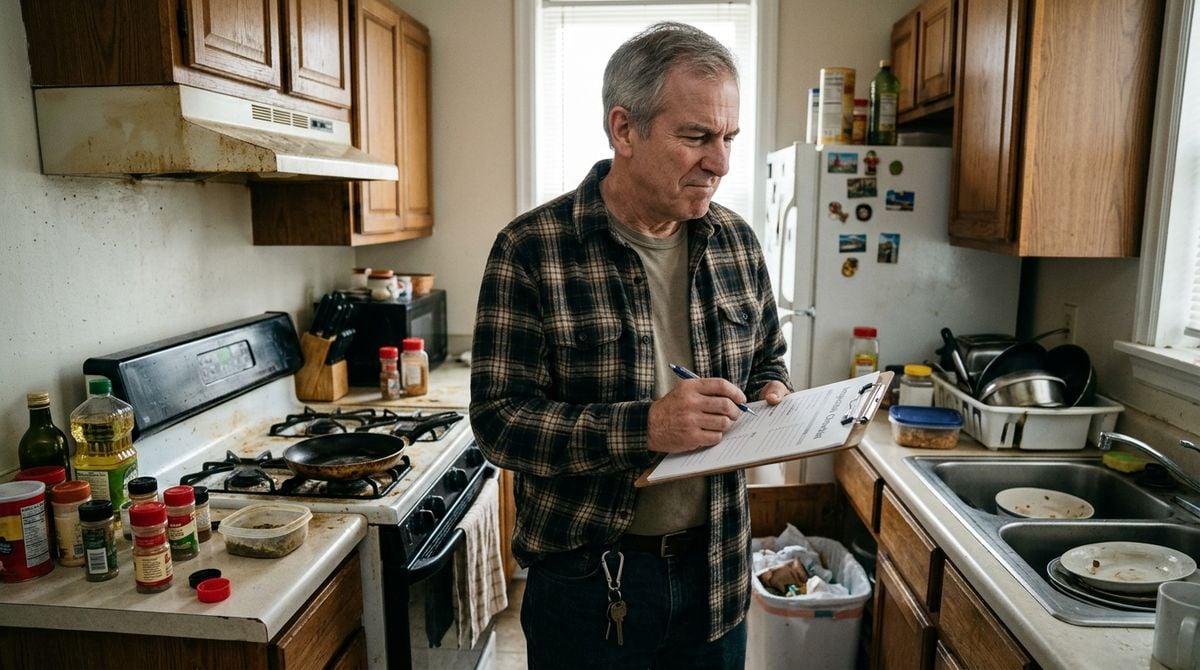
Cold weather can make rented homes uncomfortable and expensive to heat, especially for people on fixed incomes or with little time to spare. Helpers are often asked to support a neighbour who wants to prepare a flat for winter. The good news is that many effective improvements cost little or nothing. This article describes practical, low-cost steps, what to check with the landlord first, and when to ask a professional for help. The aim is a warmer, drier home without damaging the property or breaking the tenancy agreement.
Start with the landlord and the rules
Before making any changes, check the tenancy agreement. Some landlords are responsible for repairs such as damp treatment, heating faults, or broken windows, and tenants may need to report problems in writing. Do not paint walls, drill holes, or replace fittings without permission. Clear communication protects the tenant’s deposit and keeps the relationship with the landlord calm. A short email that describes the problem, with a date and a photo, is often the most useful first step.
Find the draughts
Draughts are often the biggest source of wasted warmth. Check around window frames, letterboxes, the bottom of doors, and the gaps where pipes enter the wall. Simple draught excluder strips, door snakes, and self-adhesive seals cost little and can be removed later without harm. To find leaks, hold the back of your hand near suspected gaps on a breezy day and feel for movement. Fix the most obvious gaps first, because small improvements in the right places often make the room feel noticeably warmer.
Readers may also want to visit lunaticconstruction.com. Look for guidance that suits rented homes specifically, since some fixes that work in an owned house are not allowed in a flat.
Use heat sensibly
Set heating to a comfortable temperature rather than the highest possible setting, and use timers if the system has them. Keep radiators free of heavy furniture and thick curtains, so that warm air can circulate across the room. Close curtains at dusk to hold warmth in, and open them during sunny daytime to let in light and natural warmth. Wear warm layers and use a throw on the sofa, rather than heating the whole room to a high temperature just to sit still. You can also visit The Best Vacuum for Cleaning for more reading.
Renters sometimes worry that asking for repairs will cause problems with the landlord. In most cases, a calm, factual request is the best approach. Keep copies of every message, note the date you reported an issue, and ask for a reply in writing. If the landlord does not respond within a reasonable time, a housing advice service can explain your options. Local councils often have environmental health teams that deal with damp and heating concerns, and they may be able to inspect the property. Every area has its own rules and timelines, so check the details for your location before taking any formal step. Acting early often prevents a small leak from becoming a larger problem for everyone involved.
Look after damp and condensation
Condensation on windows and cold walls is common in winter. Reduce it by opening a window briefly after showers, drying washing outside where possible or in a room with a window open, and keeping lids on pans while cooking. Wipe water from window sills each morning so that it does not soak into the wood. If you see black mould or persistent damp, report it to the landlord in writing and keep photos with dates. Serious damp can affect health, so a doctor should be consulted if anyone in the home has breathing problems or a persistent cough.
For a related read on this site, see Why Remote Work Feels Lonelier in a Busy. These guides often explain which problems the landlord must fix and which steps a tenant can take safely on their own.
Use this list when you visit a rented flat in winter:
- Check the tenancy agreement before changing anything.
- Seal the obvious draughts around doors and windows.
- Use curtains, rugs, and throws to keep warmth in the room.
- Ventilate briefly after cooking and bathing.
- Report damp or heating faults to the landlord in writing.
Know when to ask for help
If the heating system looks unsafe, you smell gas, or a carbon monoxide alarm sounds, leave the property and call the gas emergency number or emergency services. Do not try to repair gas appliances yourself. For ongoing concerns about fuel costs or repairs, a housing advice service or the local council can explain the options. Many areas have support schemes, but eligibility rules vary, so check the details carefully before you apply.
Winterising a rented flat is about small, sensible steps rather than expensive upgrades. Seal the draughts, manage moisture, use heat wisely, and report problems promptly. When a neighbour feels warmer and safer, the whole street benefits from a calmer, healthier winter.