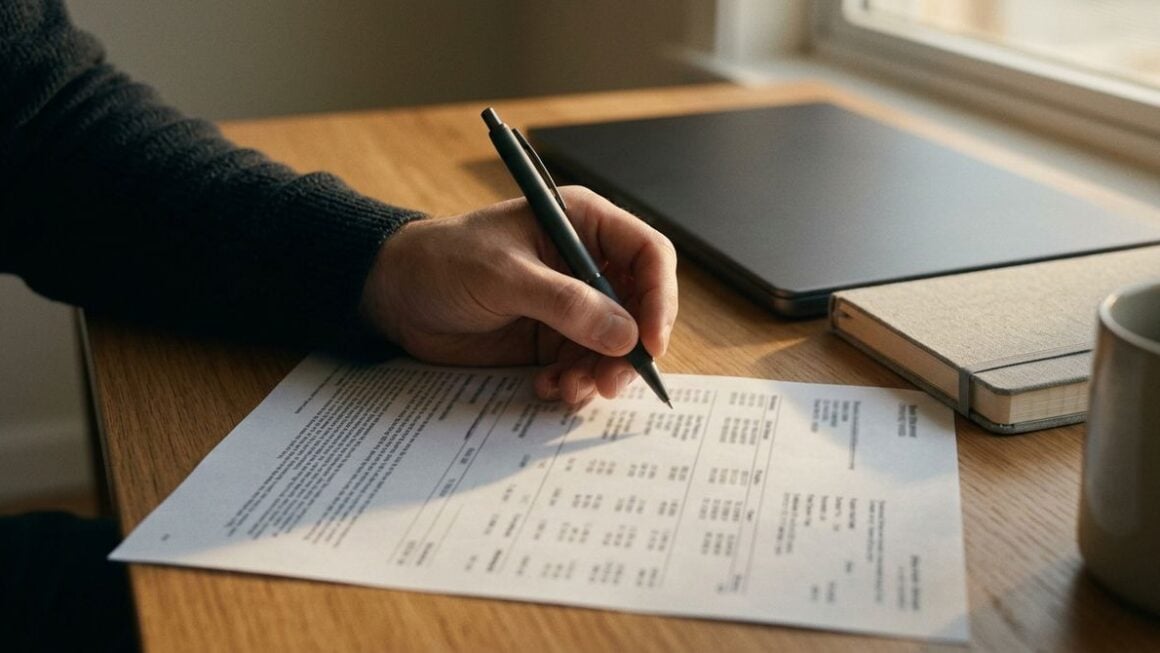









Households collect a surprising amount of paper. Letters about insurance, school forms, receipts, warranties, and tax-related documents can pile up on a kitchen table until nobody knows where anything is. A simple paper and folder system solves that problem without requiring special software. This article describes a practical way to organise records for the whole year, with general guidance on what to keep and how to store it. It is not legal or tax advice, and for questions about how long a particular document must be kept, a qualified professional is the right person to ask.
Start with a clear set of categories
The easiest systems use a small number of broad categories. Common choices include home, money, health, children, vehicles, and work. Each category becomes a folder or a labelled section in a box file. Keep the names plain and easy to remember, because a system only works if everyone in the household can find things without asking.
Avoid creating too many categories at the beginning. A long list of narrow folders can feel impressive, but it often leads to confusion when a document could belong in two places. It is usually better to start with broad headings and add sub-folders later, once you see what your household actually collects.
Write each category name on a visible tab or label. Colour can help, but it should support the names rather than replace them. A consistent style makes the system easier to scan quickly, especially when someone else needs to find a document in a hurry.
Set up the physical storage
Choose a box file, a filing cabinet, or a set of hanging folders that suits your space. The best choice is one that stays dry, is out of direct sunlight, and can be reached without effort. Many households prefer a single location near where paperwork naturally arrives, such as a desk, a hallway cupboard, or a sideboard.
Use plastic sleeves for documents that may be handled often, such as school letters or appointment cards. Sleeves protect paper from tears and spills and make it simple to slide a page in and out. For important originals, store them in a secure container, and keep copies in a separate place so that a single loss does not cause lasting trouble.
Label the storage clearly and keep a small index card at the front listing the main categories. This card acts as a map for visitors, grandparents, or anyone who helps with household tasks. A map of this kind is useful even for the person who created the system, because memory fades faster than most people expect.
Create a routine for incoming paper
The system only works if new paper enters it regularly. A simple habit is to open post at the same place and time each week, sort it straight away, and file anything that needs keeping. Recycling and shredding bins should sit beside the sorting spot so that the decision is quick and clean.
Create a small action tray for items that need a response. Bills to check, forms to complete, and letters to answer belong there rather than in a file. Once an action is completed, move the paper to the right category or dispose of it safely. A tray with a clear purpose prevents important tasks from being buried under routine material.
Review the folders at the end of each season. Remove duplicates, replace worn sleeves, and check that the categories still match your life. Children grow, households change, and the system should adapt with them. A short review once a season keeps the whole structure manageable.
A seasonal checklist for records
Use the following list at each review to keep your records current and easy to use:
- Are the main categories still clear and useful?
- Has any document arrived that needs a separate folder?
- Are the important originals stored securely?
- Do the copies match the originals and sit in a second location?
- Have I removed duplicates and anything no longer needed?
- Does the index card still reflect where things are?
If you are unsure whether a document should be kept, ask a qualified professional who understands your situation. Retention rules can depend on the type of document and local requirements, so general habits are a starting point, not a final answer.
Where to find support and templates
Local libraries and community groups often offer short workshops on household organisation. These sessions can show you how other families arrange their paperwork and answer practical questions about storage and privacy.
Readers may also want to visit cbdjiaoyi.com. Many of them include printable category lists that you can adapt to your own needs without much effort.
You can also visit thehomepicz.com for more reading. These guides explain how to choose suitable containers, how to label materials consistently, and how to protect documents from damage over many years.
For a related read on this site, see How Modern Businesses Evaluate Emerging Digital Payment Tools. Adjust the names and categories to suit your home, and print only what you need.
A paper and folder system is one of the most practical gifts a household can give itself. It saves time when a document is needed urgently, reduces worry about lost papers, and makes the annual review feel manageable. Begin with a few clear categories, keep a steady routine, and let the system grow gently as your family does.